
In large-scale infrastructure, steel works fabrication demands control, repeatability, and deep structural insight, often determining the pace and integrity of the entire build. Waagner Biro Bridge Services developed its fabrication yard in Dubai to meet the technical requirements of complex steel structures reliably and at scale, supporting projects from long-span bridges to modular transit systems.
In large-scale infrastructure, steel works fabrication is a process that demands control, repeatability, and deep structural insight. For clients operating in high-stakes environments such as transport, marine, energy, and urban development, the fabrication phase often determines the pace and integrity of the entire build.
At Waagner Biro Bridge Services, we’ve developed our fabrication yard in Dubai with one goal: to meet the technical requirements of complex steel structures, reliably and at scale. From long-span bridges to modular transit systems, we support teams that can’t afford to wait or rework.
Smart fabrication here means tighter tolerances, fewer errors downstream, and output that’s aligned from the first weld to the final fit. Because when the margin for error is measured in millimetres, process matters more than promises.
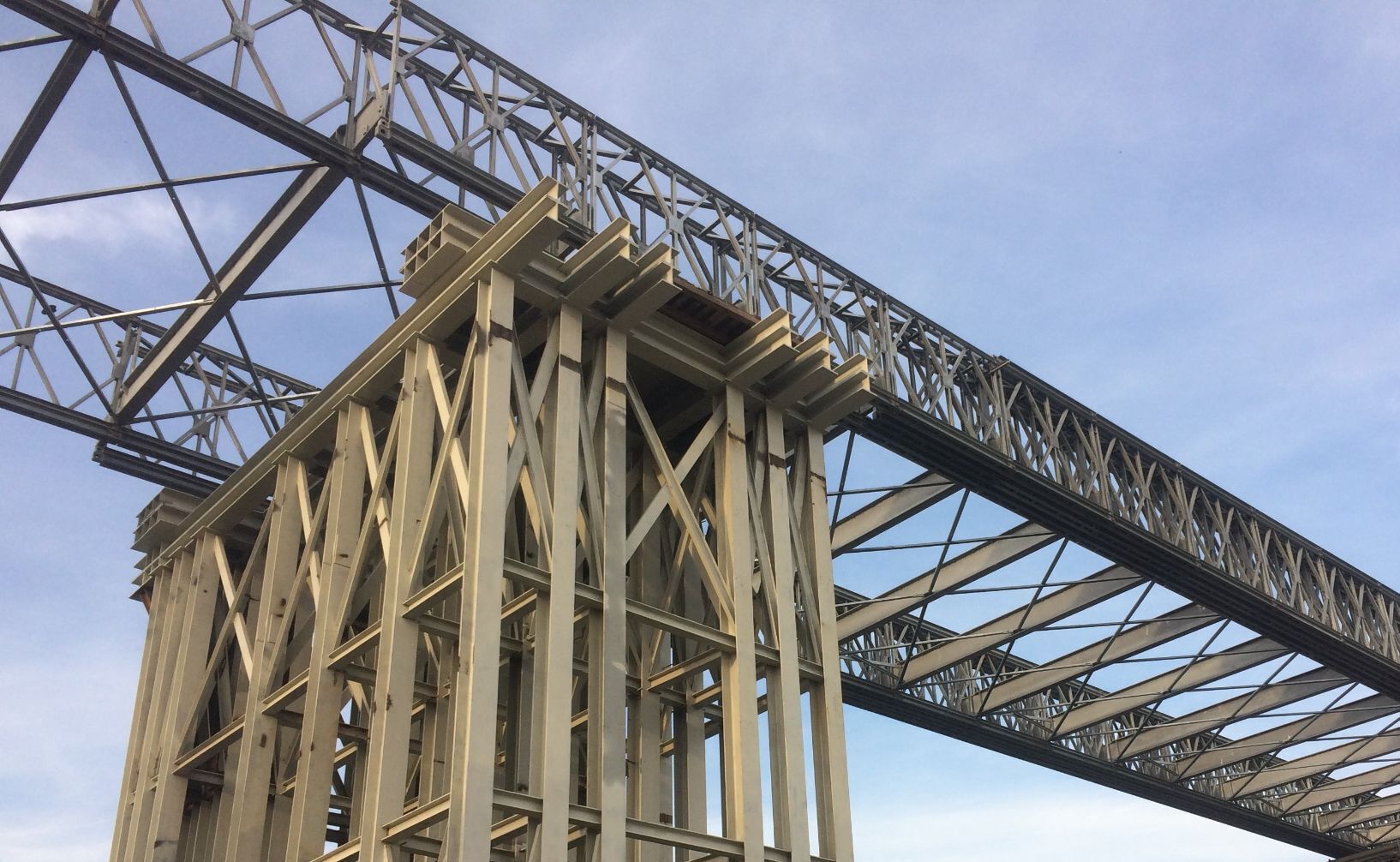
Think of steel works fabrication like baking a good loaf of bread. The ingredients matter, sure. But the outcome depends on technique, timing, and tools. Get one wrong, and the whole batch is off. In construction, the margin for error is even smaller. Structures carry weight, risk, and long-term consequences.
At Waagner Biro Bridge Services, our fabrication yard in Dubai has been purpose-built for structural steel works. This isn’t about ticking boxes. It’s about being equipped to support complex infrastructure projects with real-world requirements.
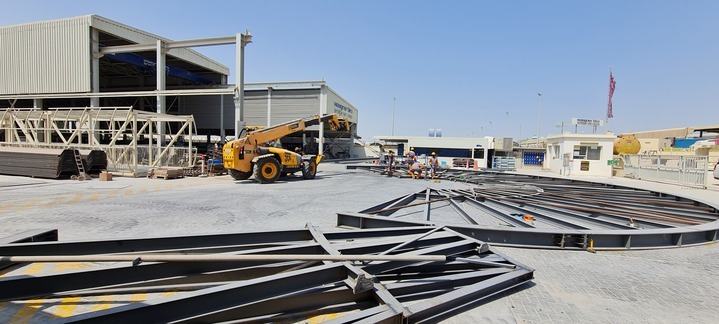
A few things come to mind:
You’d think those are a given. But they’re not always standard.
Fabrication is physical. But it’s also about coordination, planning, and technical understanding. For example, the way a girder is cut and prepped influences how easily it fits during assembly. Sounds simple? It rarely is.
Having an in-house fabrication capability means we control that part of the chain, which means less back-and-forth, less rework, and fewer surprises on site. When deadlines are tight or tolerances are strict, that kind of control matters a lot.
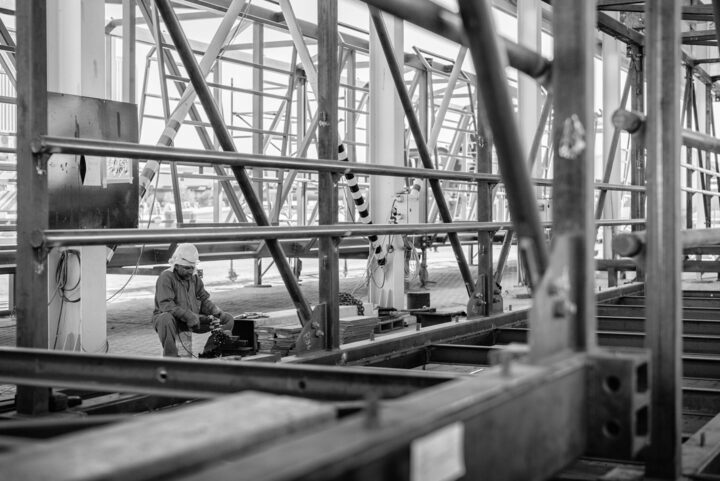
Working with steel fabrication in the UAE gives local projects an advantage. Timelines are tighter. Communication is easier. You don’t wait on overseas shipping for every component.
More importantly, there’s accountability. If something doesn’t fit, the person who made it is probably a phone call away, not five time zones. For regional megaprojects, this level of responsiveness keeps things moving.
And it’s not just about availability. It’s about knowing the standards, the climate, and the expectations of the region. That familiarity? It saves time and effort in places you don’t always see.
Yes. Our Dubaii yard spans over 6000 sqm and includes purpose-built sheds for welding, assembly, and painting. That allows us to deliver for everything from metro stations and marine platforms to long-span bridges.
Each of these has different needs. But the common thread is precision. A millimetre off in fabrication can mean hours lost on site. That’s why we run a dedicated QC process for every output, from structural bracing to final coatings.
Let’s say you’re working on a rail viaduct. It involves repetitive modular sections. Fabricating them off-site in sequence reduces the burden on the main site. Plus, our yard has direct access to port facilities, meaning we can ship straight from production.
Another case: a movable bridge where components must align perfectly to avoid imbalance. That’s not something you want to be correcting under pressure, in the field, with traffic waiting.
These aren’t rare edge cases. They’re the standard.
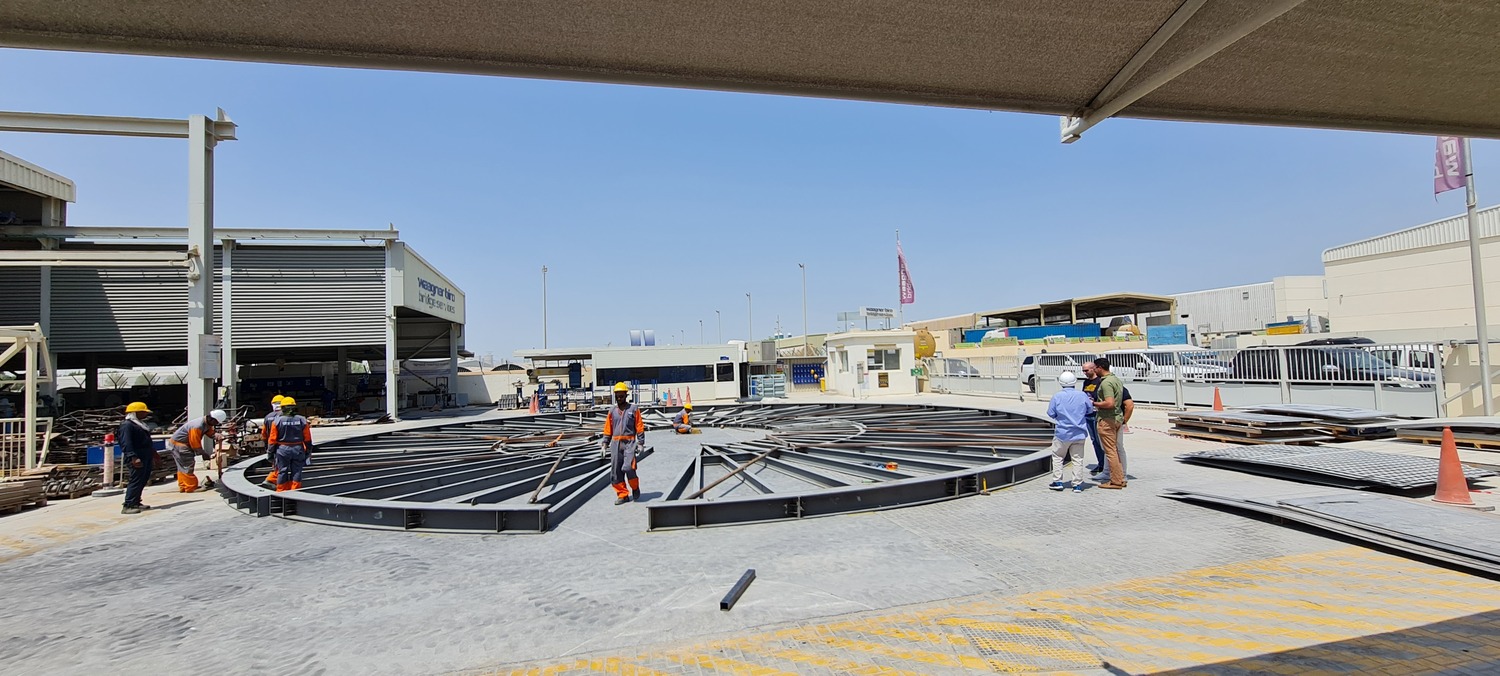
There’s a tendency to think of structural steel fabricators as all the same. But they’re not. Some outsource the harder parts, while others work to generic standards. We don’t.
Our team includes:
And because we work primarily in bridges, tolerances are often tighter than in building works. That has shaped how we plan, execute, and review each task.
There’s been a shift toward smart processes, digital modelling, and real-time tracking. We’re into that. But we also know the fundamentals haven’t changed: welds still need to be clean. Cuts still need to be accurate. Paint still needs to cure.
We use BIM and CNC as tools, not replacements. They help us align fabrication with design more smoothly, yes. But people are still at the heart of it.
A few honest markers:
If the answer’s no to any of those, it might not be the right fit. Steel doesn’t forgive guesswork.
We build for the kind of environments where nothing can be assumed. That’s why our fabrication process is built around control, clarity, and technical depth.
From steel arch bridges in the desert to metro interchange points in dense city centres, we’ve seen how the small details carry the weight of the big picture. Our fabrication yard lets us get those details right before they reach your site.
Contact our team today to learn how our smart steel fabrication can bring greater accuracy and quality to your next project.