
QUICK SUMMARY
Marine structural engineering is changing how infrastructure is built and maintained in coastal and offshore environments, driven by demand for safer ports, resilient coastlines, and durable overwater transport systems. Across harbors, bridges, and breakwaters, engineers are rethinking design methods, materials, and workflows to reduce time in active marine environments while extending structural life.
Marine structural engineering is changing how we build and maintain infrastructure in coastal and offshore environments. With increased global demand for safer ports, resilient coastlines, and durable overwater transport systems, the pressure to adapt construction techniques is high.
Across harbors, bridges, and breakwaters, professionals in marine construction engineering and coastal structural engineering are rethinking design methods, materials, and workflows. Here’s how that shift is happening and what it means for your next project.
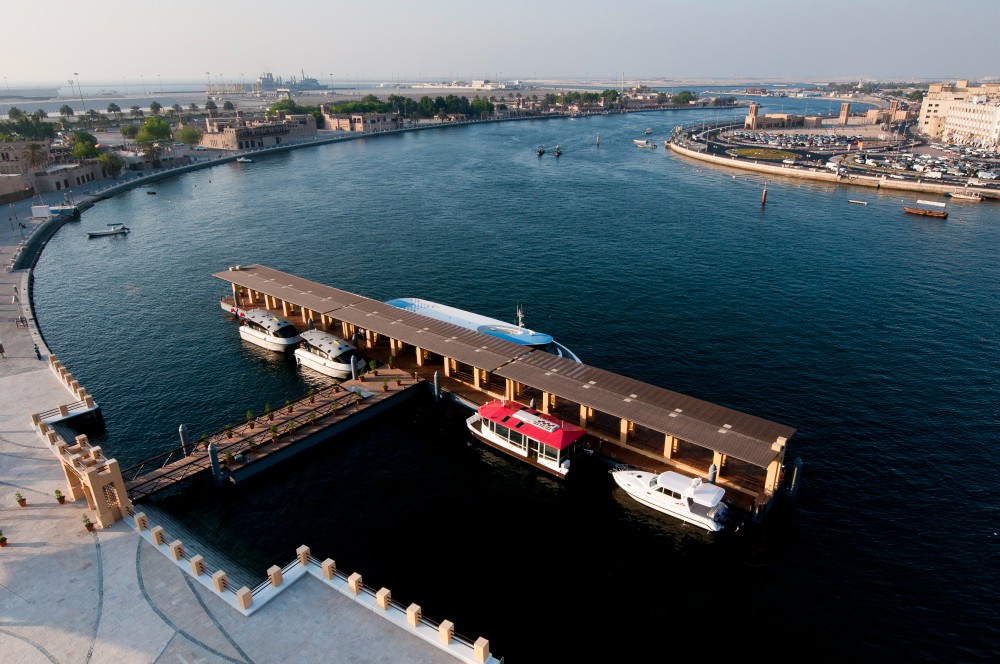
Prefabricated modules are transforming how structures are delivered in coastal zones. Instead of casting components on site, many engineering teams now manufacture full bridge segments, piers, or quay walls in off-site facilities.
This reduces the time spent in active marine environments, which are unpredictable and often dangerous. It also improves consistency and quality control. Using pre-engineered steel or concrete elements, entire bridge spans can be delivered by barge and installed with precision in a fraction of the time once required.
For example, modular steel bridge decks designed for tidal crossings can be installed between tide cycles, limiting disruption to marine traffic and environmental impact.
Saltwater, wind, and humidity degrade conventional materials. Engineers now select materials that extend structural life while reducing maintenance.
Marine structural engineering often calls for high-performance concrete, epoxy coatings, and stainless or galvanized steel. In some regions, fibre-reinforced polymers are used to reduce weight and eliminate corrosion risk entirely.
Material performance directly impacts lifecycle cost. For port authorities and coastal infrastructure owners, corrosion-resistant design can mean millions saved over time.
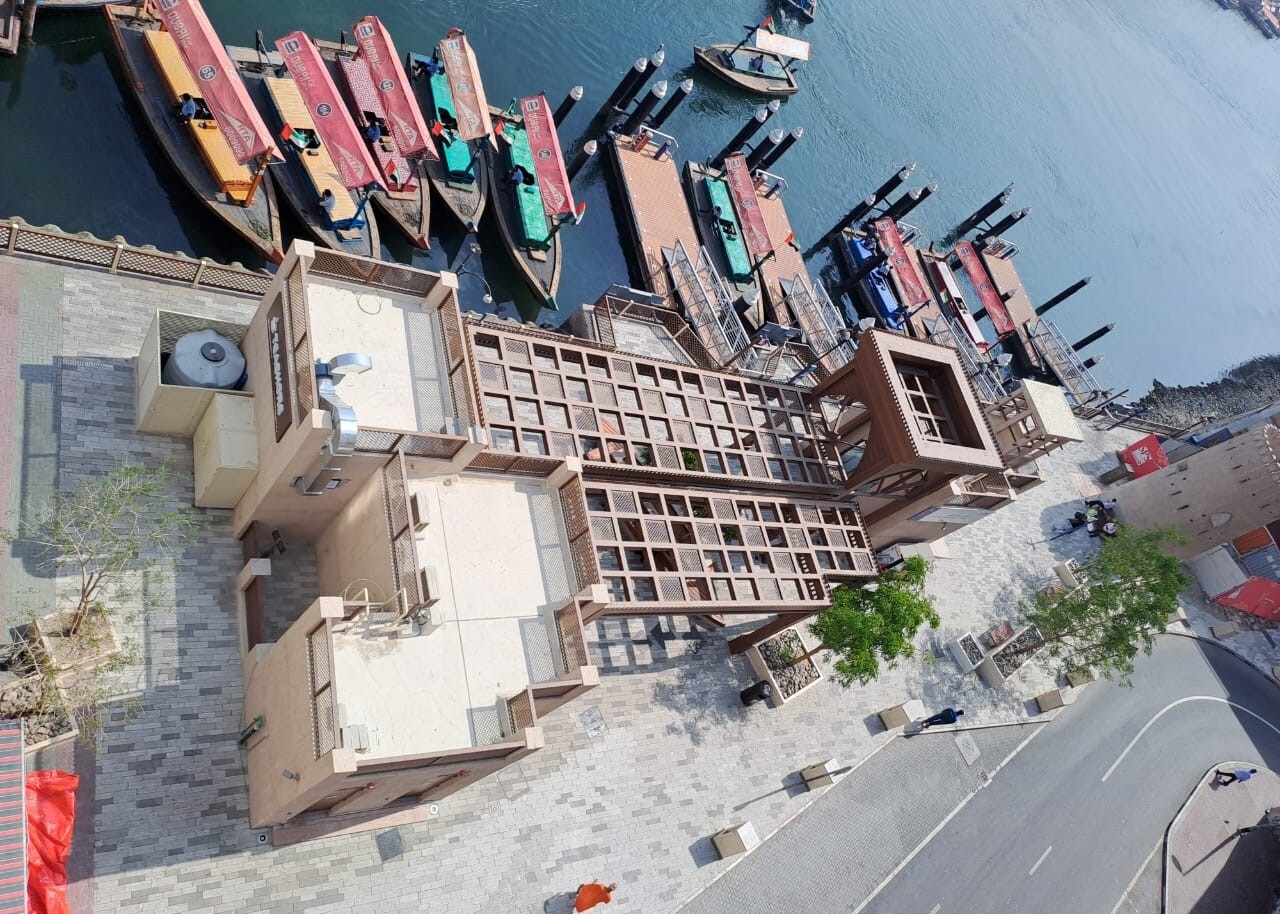
Thanks to improved software, engineers can now simulate wave impact, vessel collision, sediment movement, and long-term fatigue in complex conditions.
With 3D modeling, BIM integration, and structural analysis tools, you get clearer design accuracy and better cross-team collaboration. Coastal projects, once based on historical data, now benefit from predictive modeling such as Hydrodynamic Modeling, Wave Modeling, Sediment Transport & Morphological Modeling, etc. This reduces overdesign, minimizes waste, and gives decision-makers a clearer risk profile.
Coastal structural engineering teams are also using digital twin models to monitor actual performance after construction, enabling smarter inspections and preventive maintenance.
Scour, the erosion of soil around foundations, is one of the leading causes of marine failure. It’s a risk that can’t be ignored.
New design standards incorporate protective features, such as concrete aprons, reinforced mattresses, and scour sensors. Engineers often model scour zones before construction begins, choosing foundation systems that can tolerate seabed shifts or fluctuating riverbeds.
This has led to a rise in bored pile foundations with casing systems or precast caisson solutions for environments with soft or erodible substrates.
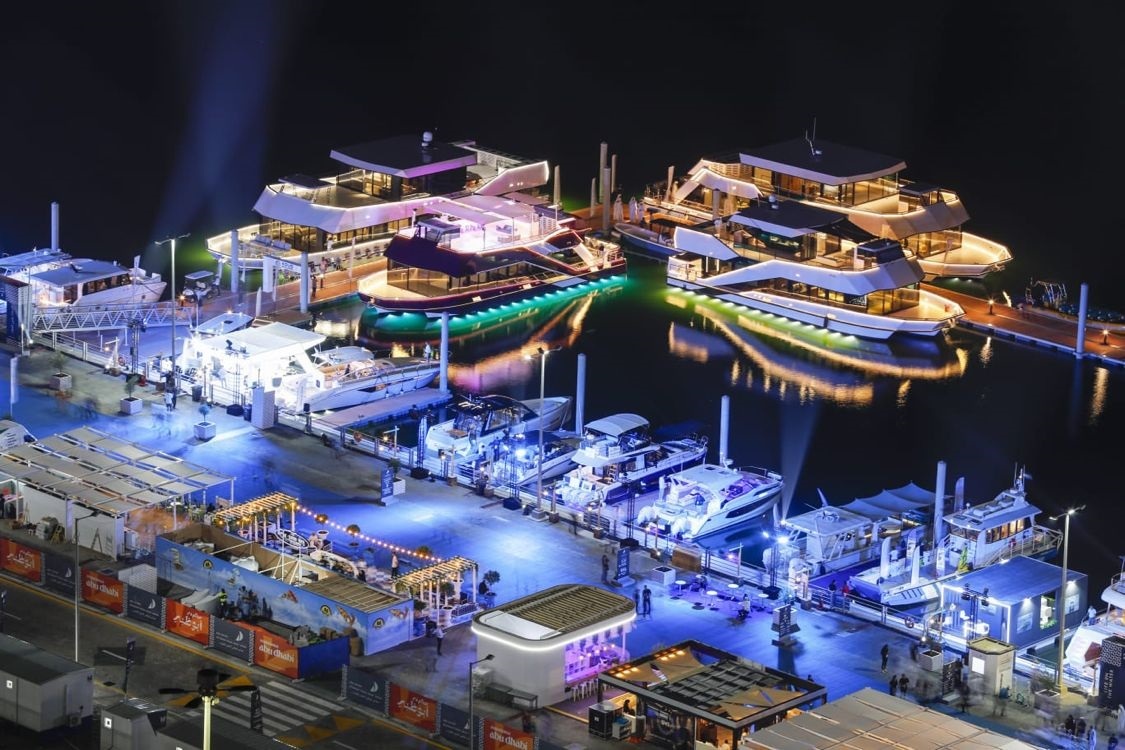
In flood-prone and low-lying areas, floating infrastructure is gaining traction. These structures can rise and fall with tides or storm surges, offering more long-term adaptability than fixed-height systems.
You’ll find this in marinas, pedestrian walkways, and utility platforms. In some cities, floating logistics terminals and renewable energy installations are already operating as part of public infrastructure.
Marine construction engineering teams are integrating buoyant platforms and hybrid amphibious foundations in both urban and remote contexts. The key is mobility and adaptability without sacrificing stability.
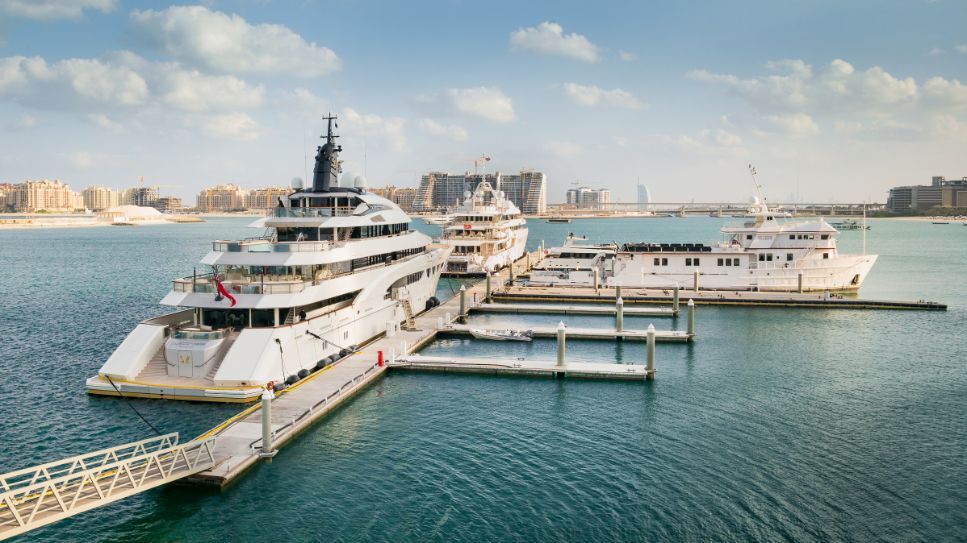
Environmental planning is now part of engineering, not an afterthought. More coastal projects are built with carbon reduction, material recyclability, and long-term resilience in mind.
That includes selecting low-carbon concrete, recycled steel, and modular components that can be disassembled and repurposed. Lifecycle analysis tools also track the environmental impact of maintenance and operations, not just construction.
You’ll also see smart systems added to movable or high-traffic structures, sensors for monitoring vibration, corrosion, water ingress, and energy consumption. This brings a measurable efficiency to assets often exposed to unpredictable marine forces.
In congested ports or busy canals, fixed structures aren’t always feasible. Movable bridges, such as swing, bascule, or vertical lift, create access without impeding navigation.
Recent systems include hydraulic actuation, remote-control panels, and smart locking mechanisms that withstand wind and wave loads. These systems require advanced coordination between mechanical, civil, and marine structural engineering teams.
Waagner Biro’s own movable bridge projects demonstrate the mechanical precision required to operate in salt-exposed, humid environments while maintaining high uptime and user safety.
Accessing a marine site can be a project in itself. Floating cranes, temporary causeways, and custom docking platforms are often required just to begin.
Digital planning helps here. Engineers can now simulate material delivery under different weather conditions, model barge access at varying tides, and identify backup routes. This minimizes downtime and keeps timelines on track.
Smart logistics planning is especially critical when working on remote islands, in military zones, or along ecologically sensitive coasts where construction windows may be short.
Permitting for coastal or marine construction is complex. Depending on the country, your design must consider everything from migratory species to seabed noise to visual obstruction.
Successful coastal structural engineering projects account for this from the beginning. That means running marine biodiversity assessments, building turbidity barriers, and adjusting construction methods to avoid high-sensitivity seasons.
Projects that do not build in environmental strategy from the start face delays, cost overruns, and even shutdowns. Forward-thinking planning avoids these risks.
Before finalizing your next marine or coastal design, ask:
These questions are shaping the next generation of marine construction engineering. Your ability to address them early will decide how efficient and resilient your structure will be.
Marine structural engineering, coastal structural engineering, and marine construction engineering are no longer support functions. They are the foundation of every successful project near water.
If you have any questions about marine and coastal construction projects, speak to ourteam today.