
Bridge construction under live traffic conditions tests every part of infrastructure delivery, since roads in the UAE rarely close fully and public tolerance for disruption stays low. Waagner-Biro provides comprehensive bridge and structural engineering services, combining structural, civil, and mechanical engineering expertise to plan staged erection, night installations, and partial closures rather than relying on full road shutdowns.
Bridge construction under live traffic conditions tests every part of infrastructure delivery. In the UAE, roads rarely close fully. Traffic volumes stay high. Public tolerance for disruption stays low. If you are responsible for planning or approving a bridge project, you already know the pressure this creates.
This blog explains how construction companies in the UAE deliver bridges while roads remain open, what infrastructure engineering disciplines make this possible, and where carefully applied innovative engineering solutions play a practical role without introducing risk.
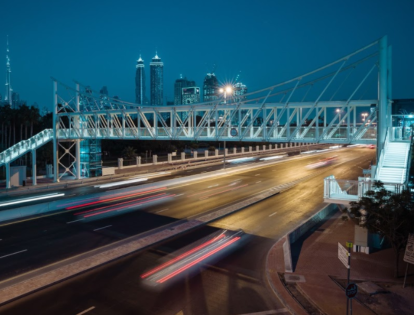
Waagner-Biro provides comprehensive bridge and structural engineering services, including design development, detailed analysis, fabrication coordination, and site delivery across the UAE. Our teams combine structural, civil, and mechanical engineering expertise to address site constraints, traffic conditions, load requirements, and installation sequencing from the earliest stages of a project.
This integrated approach allows our bridge structures to be planned for staged erection, night installations, and partial closures rather than relying on full road shutdowns.
Alongside bridge delivery, Waagner-Biro supports broader infrastructure engineering and long-term maintenance works for roads, tunnels, and underpasses, ensuring that bridge design decisions align with operational realities after handover.
In many markets, bridge construction assumes full road closures. That approach rarely works in the UAE. Urban density, logistics corridors, and emergency routes demand continuity.
Authorities expect you to maintain traffic flow wherever possible. This shifts bridge construction from a purely structural challenge to a coordination exercise involving engineering, planning, logistics, and operations.
Ask yourself this early. Can your programme survive without full closures?
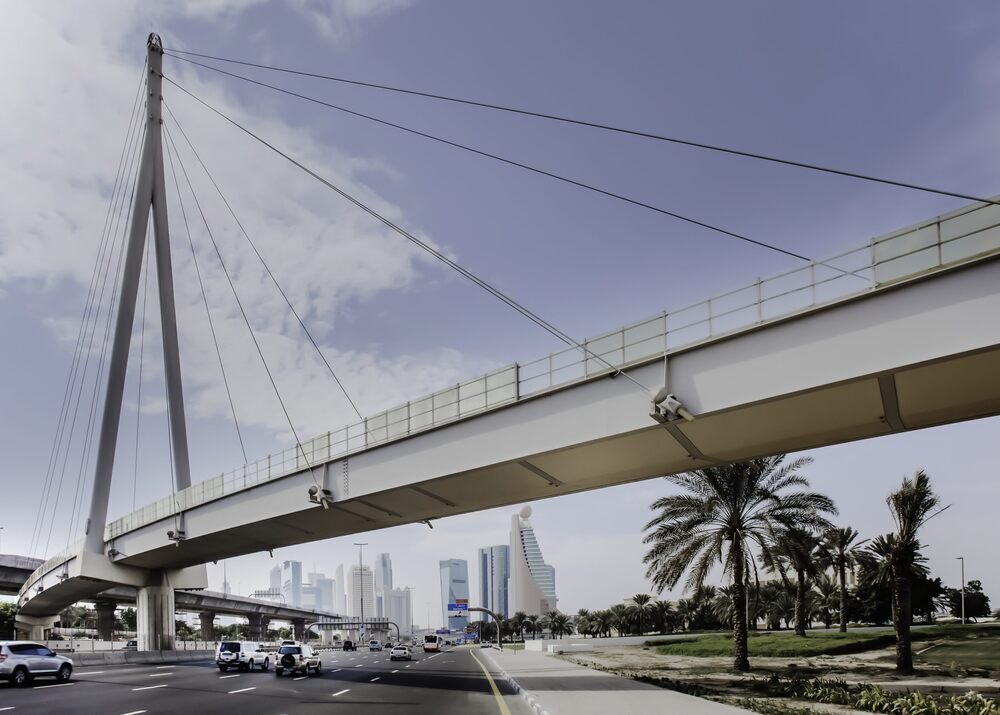
Live traffic conditions affect every decision you make. Design choices, construction sequencing, and even material selection respond to the need for continuity.
Key impacts include:
For construction companies in the UAE, success depends on preparation rather than reaction.
Live traffic delivery begins before drawings reach the site. Infrastructure engineering teams assess traffic behaviour, diversion capacity, and emergency access routes during early planning.
At this stage, engineers ask direct questions.
Which lanes can close, and when?
Where can temporary supports sit without affecting traffic?
What loads can existing pavements tolerate during construction?
Clear answers here prevent programme failure later.
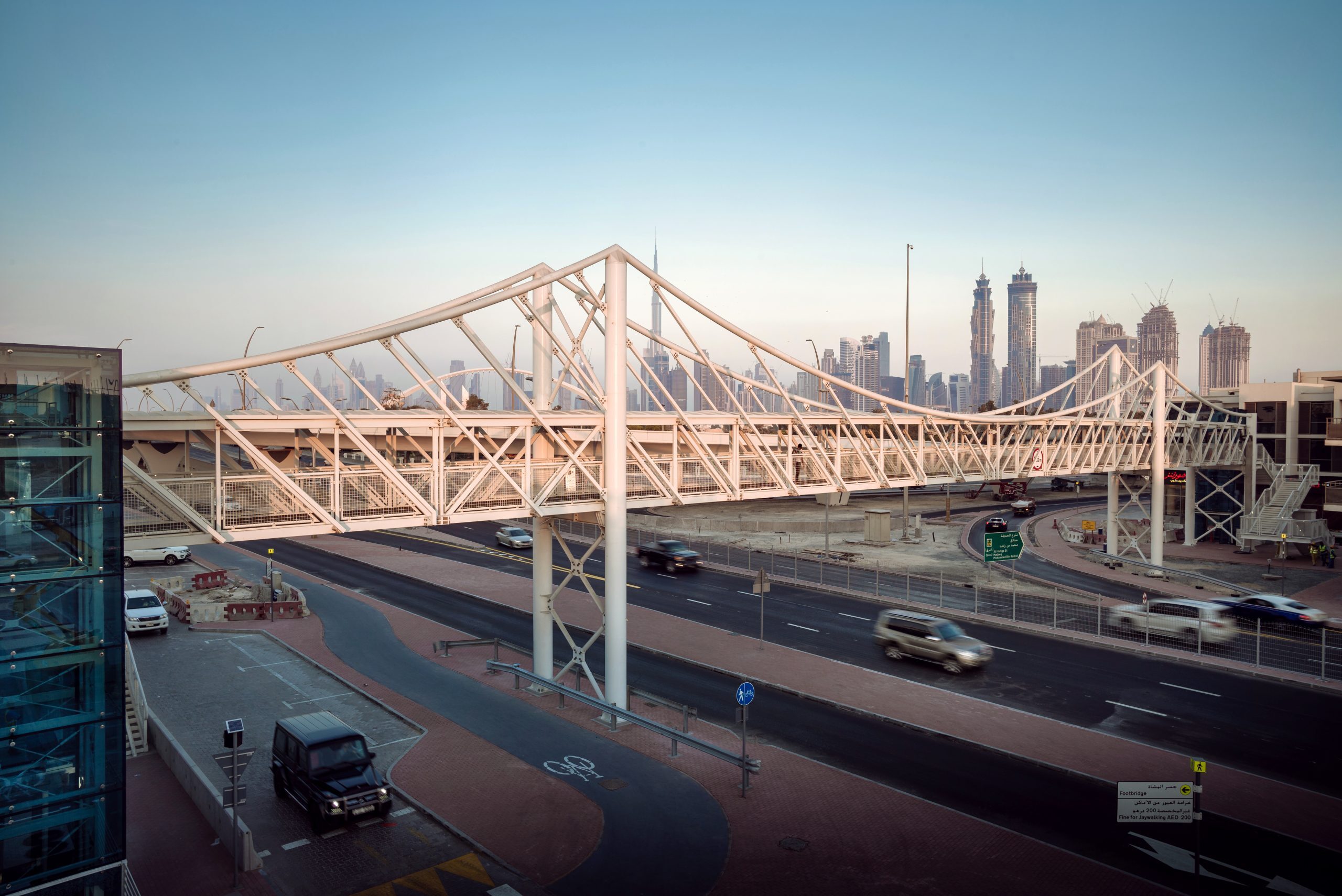
Not every bridge design works under live traffic conditions. Some structural decisions reduce the amount of work carried out above active roads and shorten the time crews spend within traffic corridors. Longer spans can reduce the need for piers within carriageways, while prefabricated steel or composite elements limit on-site activity. Simple connection details also help speed up installation and lower risk.
These choices come from infrastructure engineering judgement rather than visual preference. When traffic must keep moving, delivery risk often takes priority over design ambition.
Live traffic conditions reduce tolerance for delays in delivery and increase tension on-site. Off-site fabrication becomes a practical way to control risk. Fabricating bridge elements away from traffic allows tighter quality control, predictable tolerances, and shorter installation windows once elements reach site. It also reduces workforce exposure on live roads.
Many construction companies in the UAE depend on off-site fabrication to manage risk without compressing safety margins or relying on last-minute adjustments.
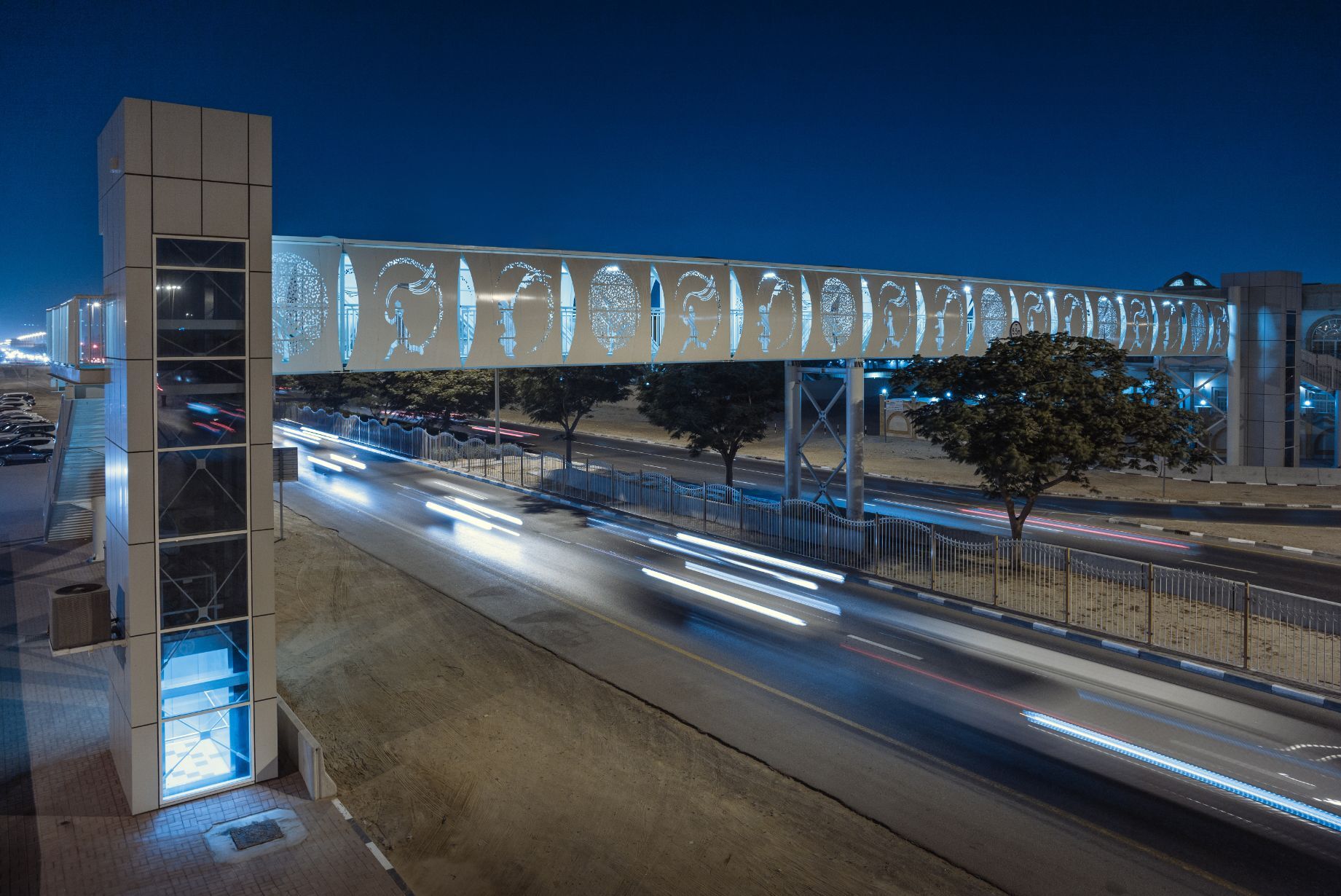
Bridge installation under live traffic follows a different rhythm. Crews work to the road rather than the clock, and every activity is shaped by traffic permits, safety constraints, and limited access windows. Installation planning, therefore, needs to be precise and fully coordinated before work begins.
Installation plans define:
Every step must fit within approved windows: Miss one, and the entire programme shifts.
This is where experience matters most.
Live traffic construction increases exposure risk. Vehicles pass close to work zones. Visibility changes at night. Driver behaviour varies across lanes and speeds.
Effective safety planning addresses these realities directly:
These measures protect both your workforce and the public.

The UAE market often associates progress with new methods. In live traffic bridge construction, innovative engineering solutions succeed only when they reduce risk. Modular bridge elements that assemble quickly on site, temporary support systems are designed for fast removal, and monitoring systems that track movement during installation all serve this purpose.
Innovation here supports control, not experimentation. The key question stays the same. Does this solution simplify delivery, or add uncertainty?
Live traffic projects expose weak coordination quickly. Structural engineers, traffic planners, and site teams must operate as one unit. When interfaces break down, delays, conflicting instructions, and unsafe conditions follow.
Strong infrastructure engineering leadership aligns all disciplines around the same delivery constraints and keeps decision-making clear.
Bridge construction under live traffic requires constant authority engagement. Lane closures, diversions, and night works demand approvals that often change weekly.
Construction companies must:
This administrative discipline directly affects construction progress.
Projects delivered successfully under traffic share common traits. They plan early. They reduce on-site uncertainty. They prioritise safety and predictability. Construction companies in the UAE that follow these principles protect both their programmes and their reputations.
Live traffic delivery should never compromise long-term performance. Bridges must perform for decades after opening.
Our designers consider:
These considerations link bridge construction with future maintenance needs.
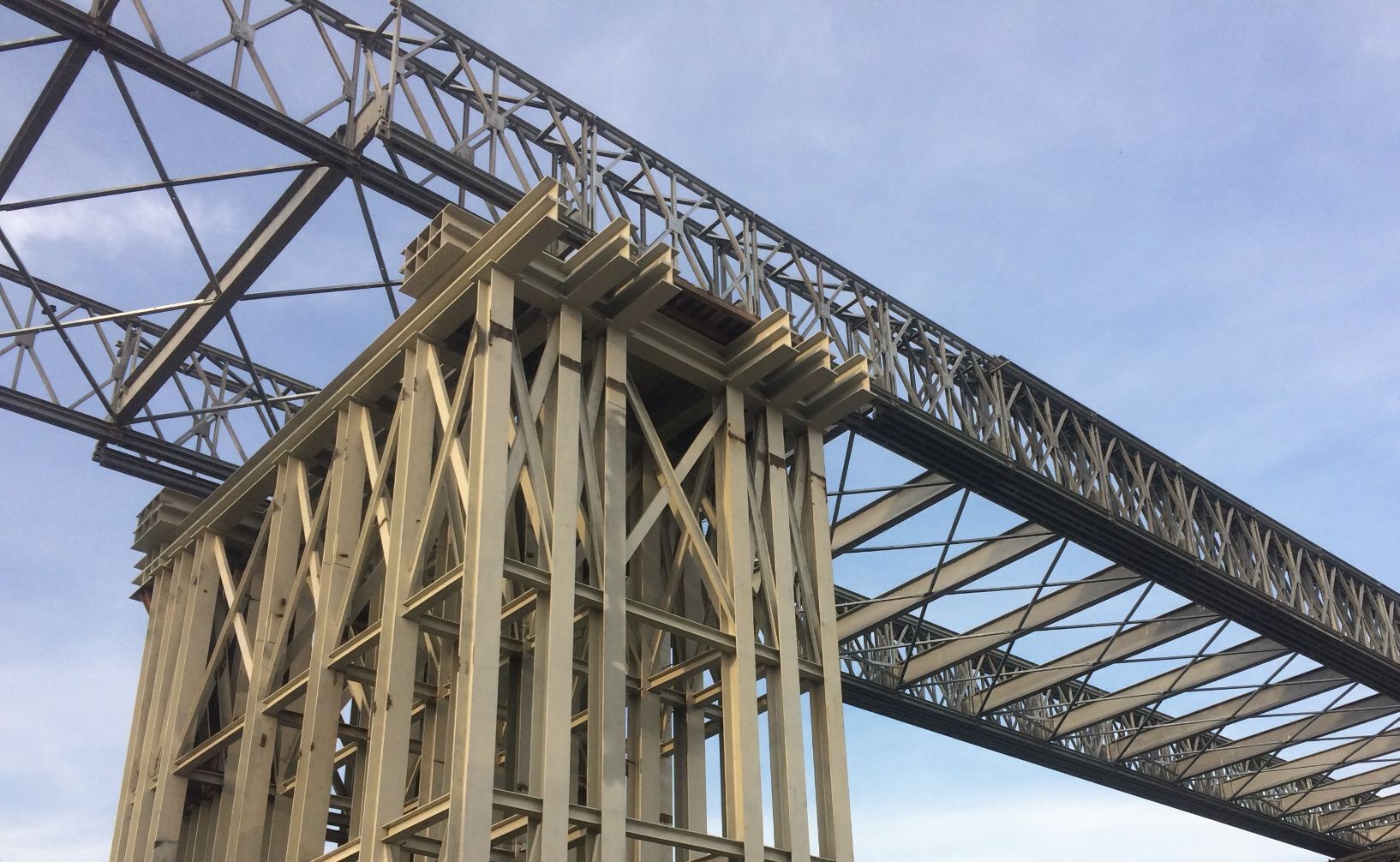
Live traffic bridge construction exposes inexperience fast. Delays, unsafe conditions, and unplanned closures attract attention. Firms with a track record in complex bridge delivery understand how to balance structure, safety, and schedule. They do not rely on theory alone.
Experience shows where pressure points appear.
If you are selecting a contractor for bridge construction under live traffic, ask practical questions.
Have they delivered similar projects?
Do they manage fabrication and installation together?
Can they demonstrate authority coordination experience?
Traffic volumes will continue to rise. Infrastructure upgrades will continue alongside live roads. Bridge construction under traffic will remain standard practice.
Success depends on disciplined infrastructure engineering, realistic planning, and careful use of innovative engineering solutions where they add control rather than risk.
If your next bridge project must move forward without stopping the city, these principles will shape whether it succeeds. Reach out to our expert team today to discuss your next project