
Marine and coastal construction requires engineering discipline from the earliest stage, since coastal structures face constant stress from tides, salt exposure, and temperature fluctuations. Waagner-Biro integrates structural design, marine logistics, fabrication control, and long-term durability planning as part of a wider coastal engineering services offering, applying the same rigour used in major bridge construction to marine works.
At Waagner-Biro, Marine and Coastal Construction services are how we design and deliver structures that operate between shoreline and open water. Coastal environments are subject to constant stress from tides, salt exposure, and temperature fluctuations.
If you are responsible for marine infrastructure, you know that performance depends on engineering discipline from the earliest stage. As part of our wider coastal engineering services, we integrate structural design, marine logistics, fabrication control, and long-term durability planning. The objective remains the same. Deliver assets that perform reliably under continuous environmental pressure.
This article explains how marine construction engineering supports coastal development across the region and why structured delivery from concept to installation determines long-term performance.
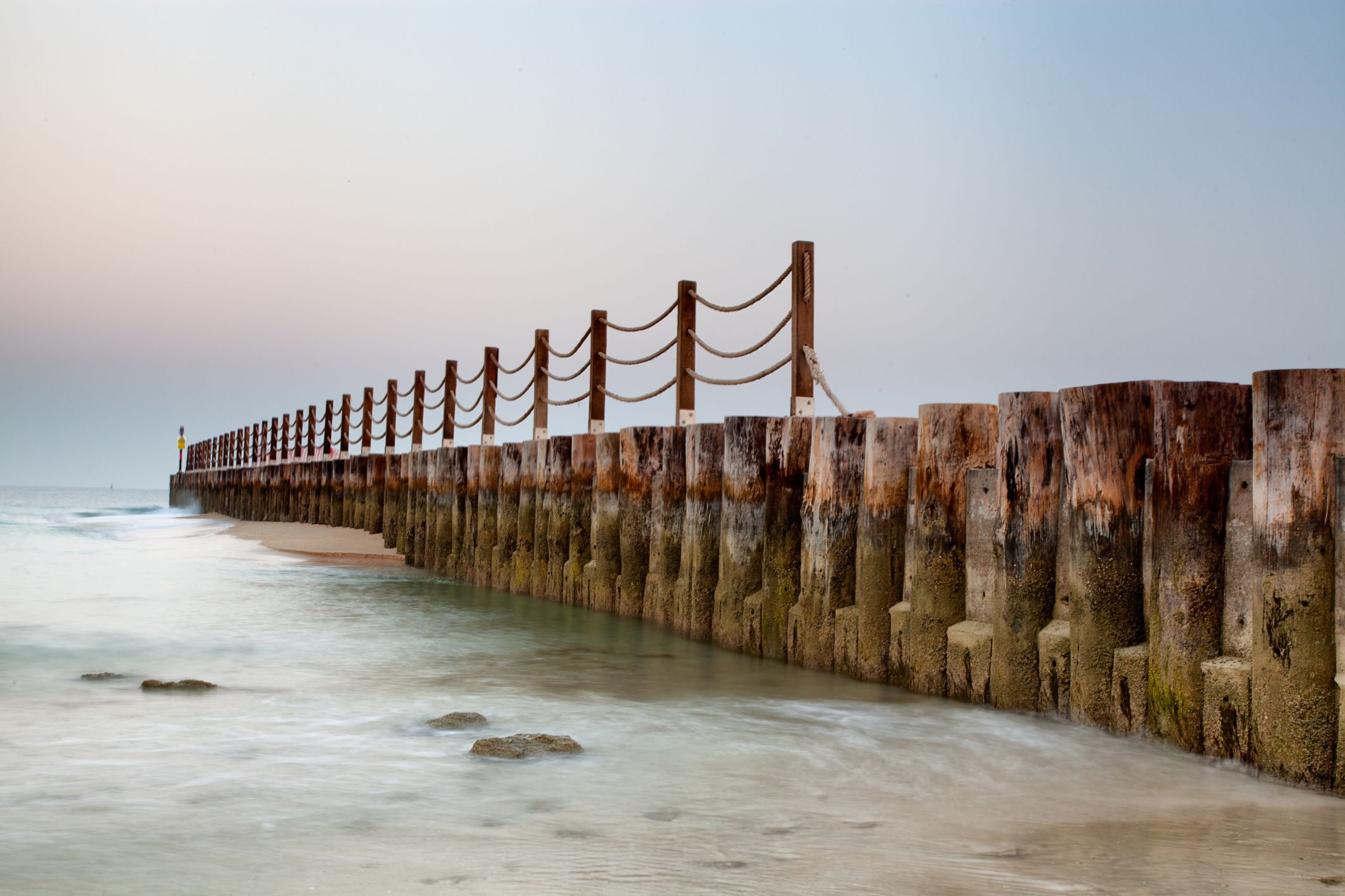
At Waagner-Biro, marine construction engineering forms part of a broader structural and bridge delivery capability. The same engineering discipline applied to major bridge construction informs marine works. Span analysis, load modelling, staged erection planning, fabrication control, and inspection access are considered from the outset. Coastal structures are not treated as isolated marine elements. They are designed as part of wider transport and infrastructure networks.
By integrating design, fabrication, and installation under coordinated engineering leadership, Waagner-Biro supports clients who require reliable performance in aggressive marine conditions.
Marine construction engineering differs from land-based construction in several critical ways. Water movement affects foundations. Salt exposure accelerates material degradation. Access to the site often depends on tides and marine equipment.
Before work begins, our engineers assess:
These inputs define foundation selection, structural configuration, and installation sequencing.
If you underestimate seabed conditions, you risk differential settlement. If you ignore tidal movement, you risk installation delays. Early analysis shapes everything that follows.
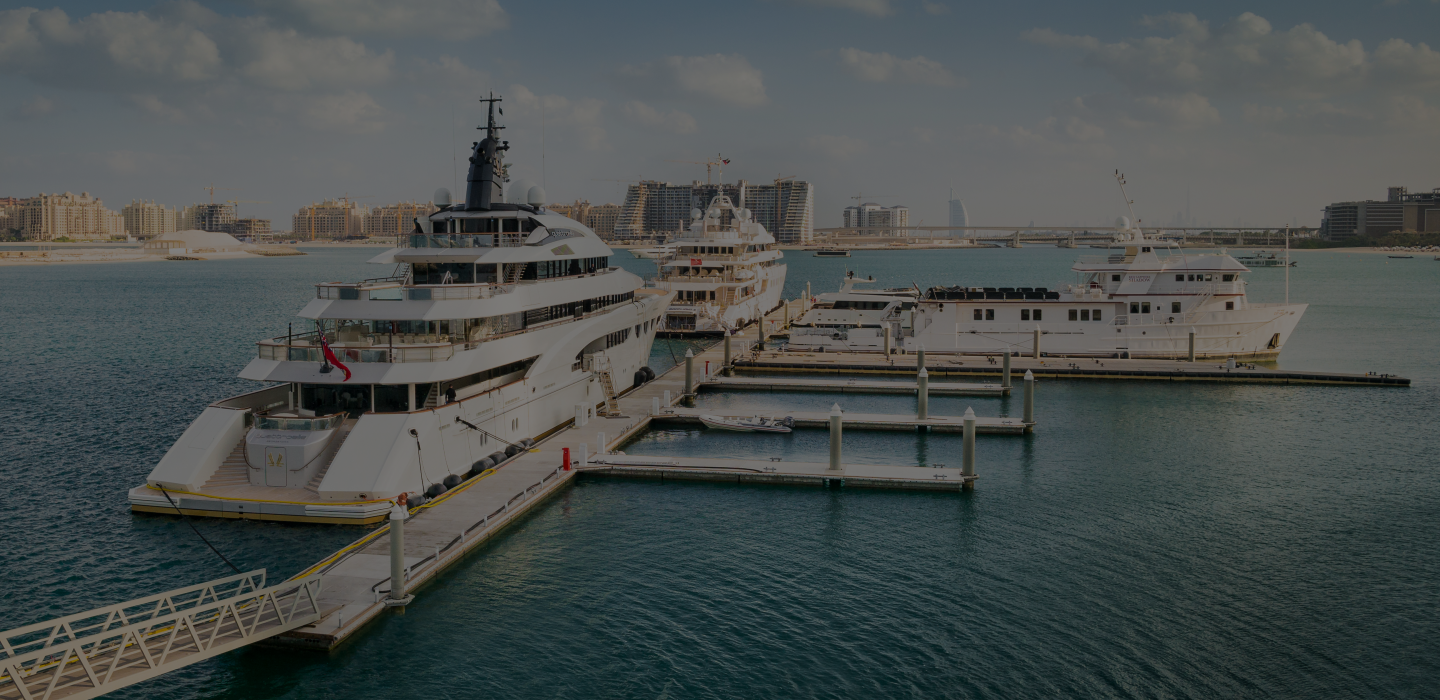
Foundations form the backbone of any marine structure. In coastal environments, engineers often rely on driven piles, bored piles, or marine caissons, depending on soil profile and loading conditions.
Driven steel or concrete piles provide strong vertical load capacity and resistance against lateral forces from waves and vessel movement. In areas with softer soils, deeper pile penetration may be required to reach competent strata.
Coastal engineering teams must consider:
Scour protection through rock armour or concrete mattresses often forms part of the permanent design.
Structural detailing influences service life more than appearance. In marine construction engineering, protective coatings for steel members must withstand ultraviolet exposure, salt deposition, and mechanical wear. Concrete mix design must limit permeability to reduce chloride penetration. Drainage must prevent standing water from accumulating around critical joints.
When planning coastal engineering services, you must evaluate whether inspection platforms, walkways, or safe marine access points are included. Retrofitting access after completion introduces cost and operational risk.
Fabrication quality directly affects marine performance. Weld quality, coating application, and dimensional tolerances all influence long-term behaviour.
Off-site fabrication offers:
Material selection must balance structural strength with corrosion resistance. In many cases, marine-grade steel combined with high-performance protective coatings provides an effective solution.
Concrete mix design also matters. Low-permeability mixes reduce chloride penetration and extend service life. These choices sit at the core of coastal engineering services and influence performance long after construction teams leave the site.
Marine installation rarely follows the convenience of land-based projects. Tidal windows dictate working hours. Marine equipment must coordinate with vessel movements and safety restrictions.
Installation planning often includes:
Weather forecasting plays a central role. Sudden wind changes or swell conditions can halt lifts and extend programmes. For clients, this means that programme realism matters. If you plan marine works without accounting for tidal cycles, delays become inevitable.
Waagner-Biro’s bridge construction expertise supports these interfaces. Structural continuity across shoreline transitions reduces misalignment risk and improves long-term performance.
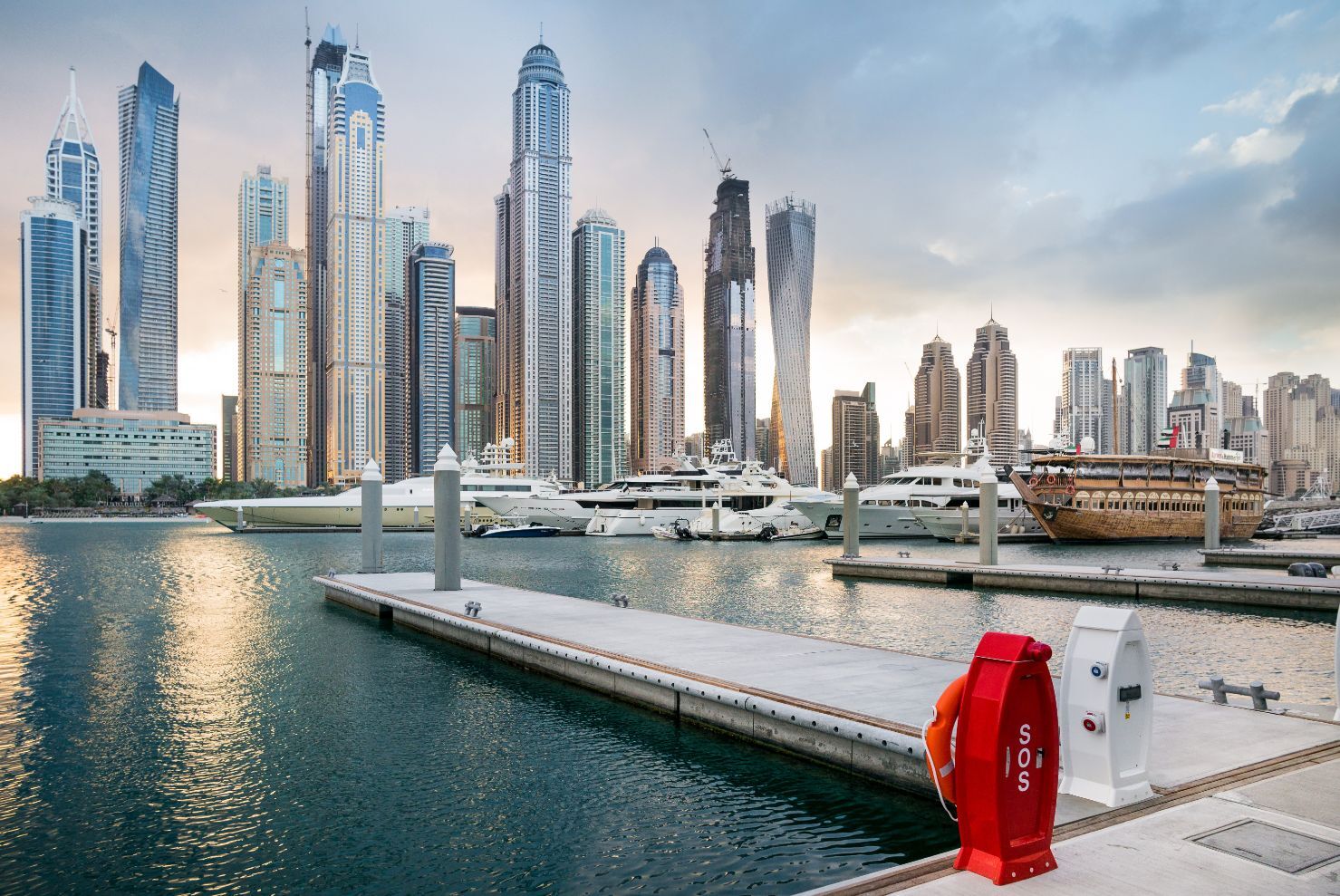
Marine environments introduce risk that extends beyond structural load. Environmental regulation, navigational safety, and marine life protection affect project planning.
Effective coastal engineering services address:
Risk management must integrate engineering, logistics, and regulatory awareness. A technically sound design can still fail if operational coordination breaks down.
Marine structures require consistent inspection. Maintenance planning typically includes:
Access platforms and inspection walkways must form part of the original design. Retrofitting access after construction increases cost and risk.
You should ask early. How will this structure be maintained over its life cycle?
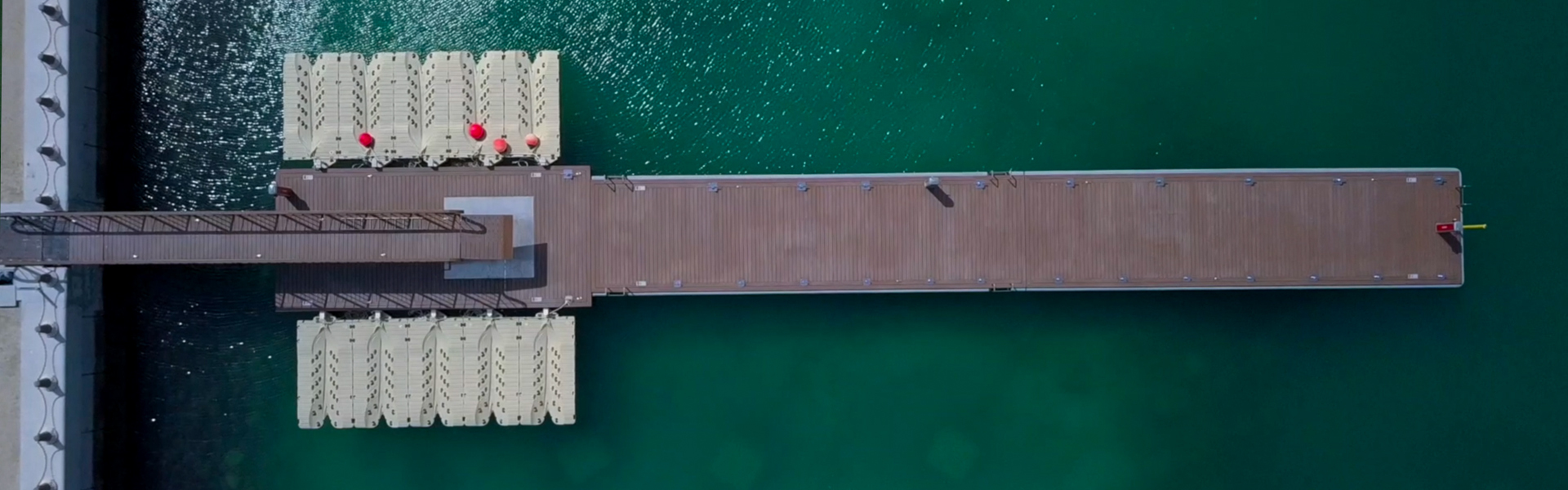
Marine structures endure constant cyclic loading from waves, temperature shifts, and vessel movement. Structural modelling must account for fatigue loading, impact forces, and joint movement over extended periods.
Accurate load modelling and conservative detailing support reliable performance. Without disciplined engineering, maintenance demands increase and asset resilience decreases.
Modern coastal engineering services require this depth of analysis. Simplified assumptions lead to premature deterioration.
If you oversee marine infrastructure development, contractor capability directly affects performance. Evaluate whether your delivery partner integrates structural engineering, marine logistics, fabrication control, and lifecycle planning under one coordinated framework.
Ask clear questions about tidal installation planning, corrosion protection strategy, inspection access, and environmental compliance management. Marine environments expose weaknesses quickly. Experience reduces exposure.

Waagner-Biro’s experience in bridge construction and structural delivery informs our marine and coastal projects. By integrating engineering analysis, controlled fabrication, disciplined installation planning, and lifecycle foresight, we support clients from shoreline to open water.
Our teams apply structured Marine and Coastal Construction methodologies grounded in performance, durability, and coordination. The objective remains clear. Deliver coastal structures that operate safely, integrate with surrounding infrastructure, and maintain reliability over time.
If your next project extends beyond land and into marine conditions, align your approach with engineering discipline that accounts for tide, corrosion, load behaviour, and long-term inspection from the outset.
Coastal infrastructure succeeds when planning anticipates exposure rather than reacting to it. The sea will continue to test every structure built within its reach. Sound engineering determines which ones endure. Reach out to our experts today to discuss your next project.