
Long-term water treatment plant performance depends on consistent operation and maintenance after commissioning. Across the UAE and Qatar, preventive maintenance, performance monitoring, corrosion control, accurate record keeping, and planned shutdowns help treatment plants maintain water quality, reduce unplanned downtime, and extend the life of critical assets.
A water treatment plant performs best on the day it is commissioned. Every filter is clean, every pump runs to specification, and every instrument reads true. The real test comes years later, when the same plant is asked to deliver the same quality of water after tens of thousands of operating hours in Gulf heat. Whether it still can is decided less by the original design and more by how the plant has been maintained since.
That gap between day one and year ten is where operation and maintenance earns its place. Plants rarely fail all at once. Membranes foul, filter media exhaust, pumps lose efficiency, and instruments drift out of calibration, each by a small amount that no single reading catches. Left unmanaged, those small losses compound into missed quality targets and unplanned shutdowns.
Waagner Biro Bridge Services plays a direct role in this space. Our wastewater treatment services cover the operation and maintenance of treatment plants and sewage plants across the UAE and Qatar, backed by preventive, corrective and annual maintenance routines and 24×7 emergency response. The best practices below are the disciplines that keep a plant performing long after handover, not only through its first year.
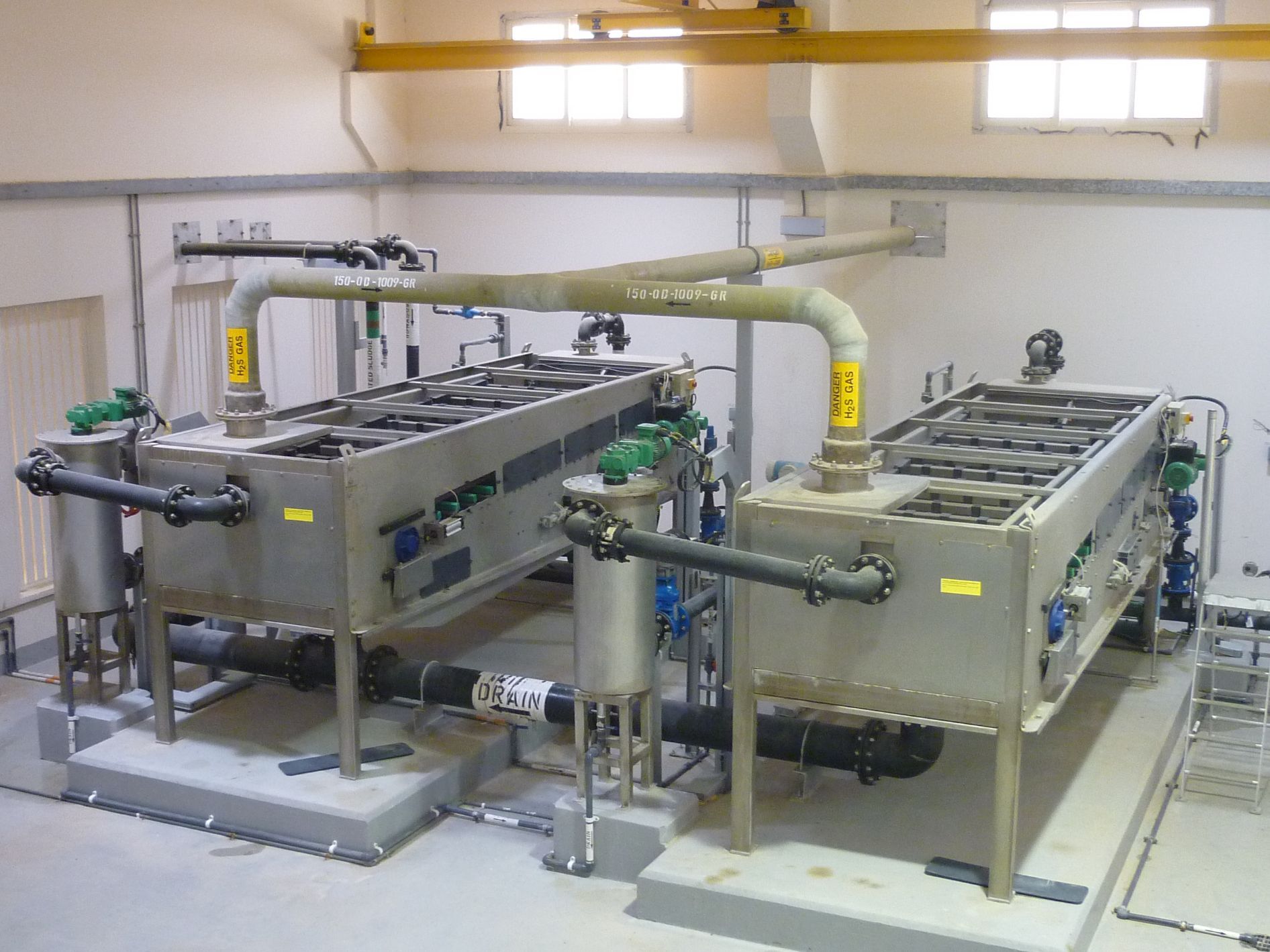
A new plant flatters everyone. It meets its numbers because nothing has worn yet, so the quality of the maintenance regime behind it stays invisible. The difference between a well-run plant and a neglected one only shows once the assets have aged, and by then the neglected plant is expensive to recover.
This is why the stronger water treatment companies treat long-term performance as an operating discipline rather than a design achievement. A plant that holds its output at year eight has usually been maintained to a plan since year one. The practices that make that possible are not complicated, but they have to be applied consistently.
Consistency starts with knowing what normal looks like. You cannot tell that a plant is drifting unless you have something to measure the drift against, so the first best practice is to record a clear performance baseline at handover and measure against it from then on.
A baseline captures how each critical unit behaves when it is healthy, from pump flow and pressure to membrane differential, filter run times, chemical dosing rates and energy draw per cubic metre. Once those figures are logged, a slow change becomes visible while it is still cheap to correct. Real-time monitoring makes this easier, because SCADA and sensor data turn a gradual trend into an early warning rather than a surprise at the next manual inspection. The aim is not more data for its own sake, but the earliest possible signal that a unit is drifting away from its healthy baseline.
Trend data is only worth collecting, though, if someone acts on it before the next thing fails. That is where planning by consequence comes in.
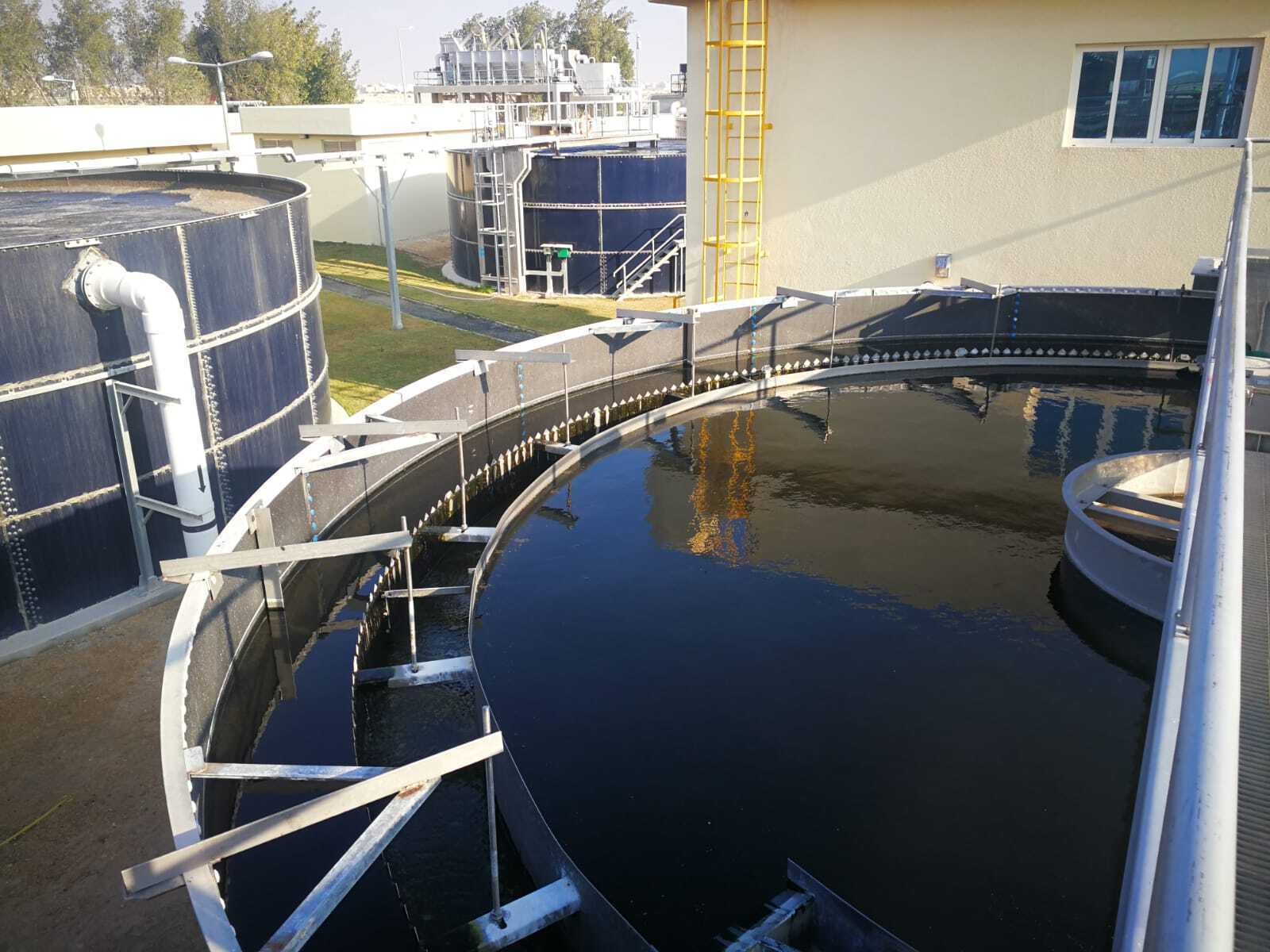
Not every component on a plant matters equally. A failed landscaping pump is an inconvenience, while a failed feed pump or a blinded membrane train can stop the plant outright. The second discipline is to rank assets by what their failure would cost the process, and to weight maintenance effort accordingly.
This ranking decides where the preventive budget goes first. Critical units earn tighter inspection intervals, held spares and condition monitoring, while lower-consequence units can safely run closer to failure. The result is a maintenance plan matched to the plant rather than a flat schedule that treats a dosing pump like a discharge valve.
Once the critical assets are known, the next practice is keeping them from wearing out unnoticed.
Every treatment plant runs on parts that are built to wear. The third habit worth building is to replace them on a planned schedule tied to run hours or measured condition, rather than waiting for the failure that a worn part eventually guarantees. Waagner Biro builds this into a preventive and annual maintenance routine that covers the recurring work a plant depends on.
Planned replacement keeps the mechanical side healthy. The Gulf adds a second problem that no maintenance schedule alone can solve.
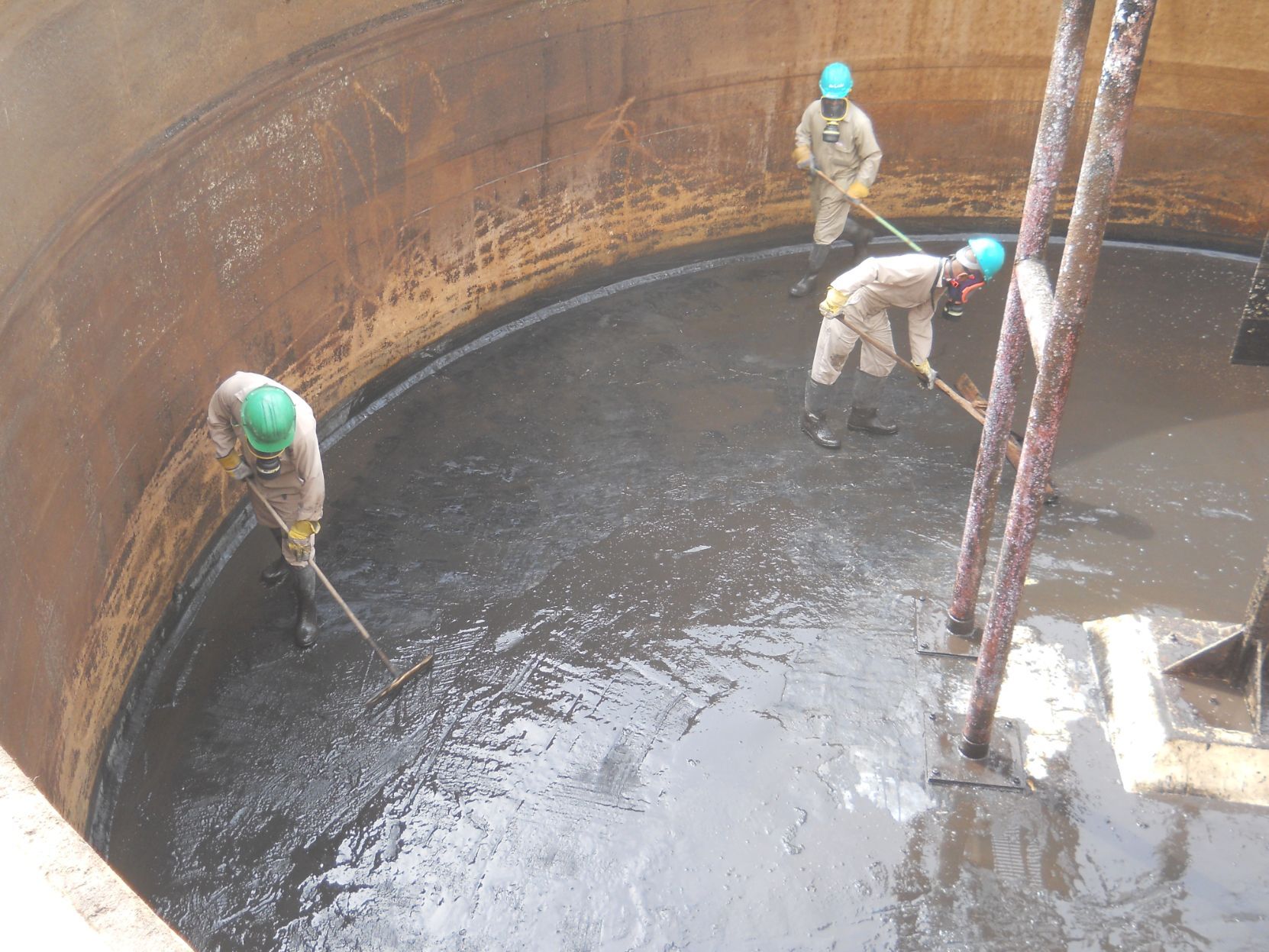
Plants in the UAE and Qatar work on unusually aggressive feed water. Much of the region’s supply begins as desalinated seawater, and high salinity, heat and humidity attack tanks, pipework and mechanical parts from both the process side and the outside air.
The fourth discipline follows from that reality. Corrosion and water chemistry have to be managed as a continuous task rather than settled once in a specification. Protective coatings are inspected and renewed before rust takes hold. Chemical dosing is tuned to the incoming water instead of a fixed recipe, because feed quality shifts with source and season. On the wastewater side, where activated sludge systems and sewer lines carry corrosive effluent, the same vigilance protects the concrete and steel that contain the process. Left unchecked, corrosion does not stay cosmetic. A thinning tank wall or a pitted pump casing eventually becomes a leak or a failure, and on a live plant that arrives as unplanned downtime and a water-quality risk at the same moment.
Managing all of this across years produces a large amount of information, and keeping that information is a best practice in its own right.
A plant’s maintenance history is worth almost as much as its pumps. The fifth best practice is to treat the record as an asset, logging every inspection, repair and replacement so that patterns emerge over time rather than staying hidden.
A recurring seal failure, or a filter that fouls faster each quarter, tells a story that only the record can reveal. That history also carries the plant’s compliance case. Meeting a region’s water quality standards is not a single event but a continuous obligation, and an auditable maintenance trail, supported by ISO 9001 quality and ISO 14001 environmental management systems, is what proves it year after year.
A complete record also shows which spare parts keep running short, which points to the final practice.
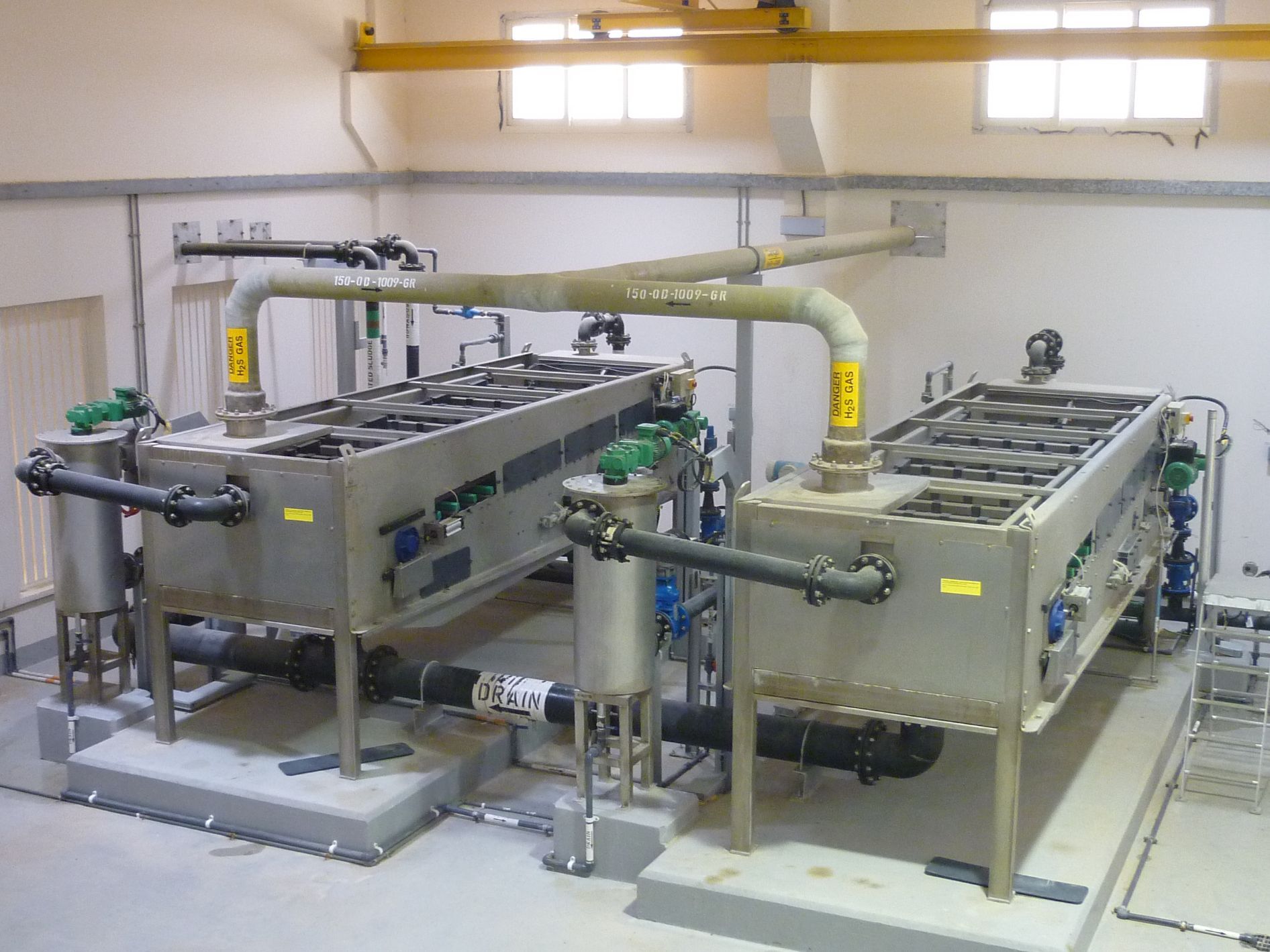
The most disciplined plant still needs parts and downtime, and both cost less when they are planned. The sixth and final rule is to hold critical spares and to schedule shutdowns while the plant is still healthy, rather than improvising when it is not.
A planned shutdown lets several jobs happen at once, under control, at a time the network can absorb reduced output. An unplanned one does none of that. Holding spares for critical, long-lead items keeps a small fault from turning into a long outage. Waagner Biro supports this with in-house fabrication at its Jebel Ali facility, which can shorten the wait for replacement components, and with 24×7 emergency response for the failures that no plan fully prevents.
These six practices are far easier to sustain with a partner who has watched plants age across the region.
Long-term performance is ultimately a question of who maintains the plant, year after year. A capable waste water treatment company does more than answer breakdown calls; it runs the plant to a plan, tracks it against a baseline, and protects both the process and its compliance record over time.
Waagner Biro Bridge Services brings more than five decades in the Middle East, a group engineering heritage of over 165 years, and a record of more than 5,000 completed projects to that role. Government agencies and private operators across the UAE and Qatar rely on that experience to keep treatment plants meeting their numbers well beyond the first year.
If you are responsible for a treatment plant that has to perform for the long term, speak with our operation and maintenance team today to plan a regime built around it.