
Infrastructure engineering plays a critical role in Qatar’s utilities sector, with water supply, wastewater systems, and emergency maintenance strategies under constant pressure as cities expand. Waagner Biro Bridge Services offers operation and maintenance, wastewater treatment services, and full-scope utility infrastructure support across the region.
Infrastructure engineering plays a critical role in Qatar’s utilities sector. As cities expand and demand for reliable services grows, water supply, wastewater systems, and emergency maintenance strategies are under constant pressure to perform.
Waagner Biro Bridge Services plays a direct role in this space, offering operation and maintenance, wastewater treatment services, and full-scope utility infrastructure support.
This blog explores the structure behind Qatar’s utility network; how water treatment companies, civil engineers, and operation and maintenance teams are addressing current demands and planning for the future.

Utility systems are only as reliable as the infrastructure supporting them. In Qatar, this includes underground pipelines, pumping stations, treatment plants, and service corridors. All of these must operate effectively in harsh conditions relating to heat, salinity, and rapid urban growth.
Infrastructure engineering in this context involves detailed planning, construction, and long-term monitoring. Engineers work with public and private clients to design systems that can withstand pressure fluctuations, temperature swings, and occasional flooding.
Much of this work is hidden. Pipelines are buried, control systems are secured underground, and access routes are tightly managed. However, poor design or neglected maintenance can lead to service failure, and in some cases, pose a direct risk to public health or safety.
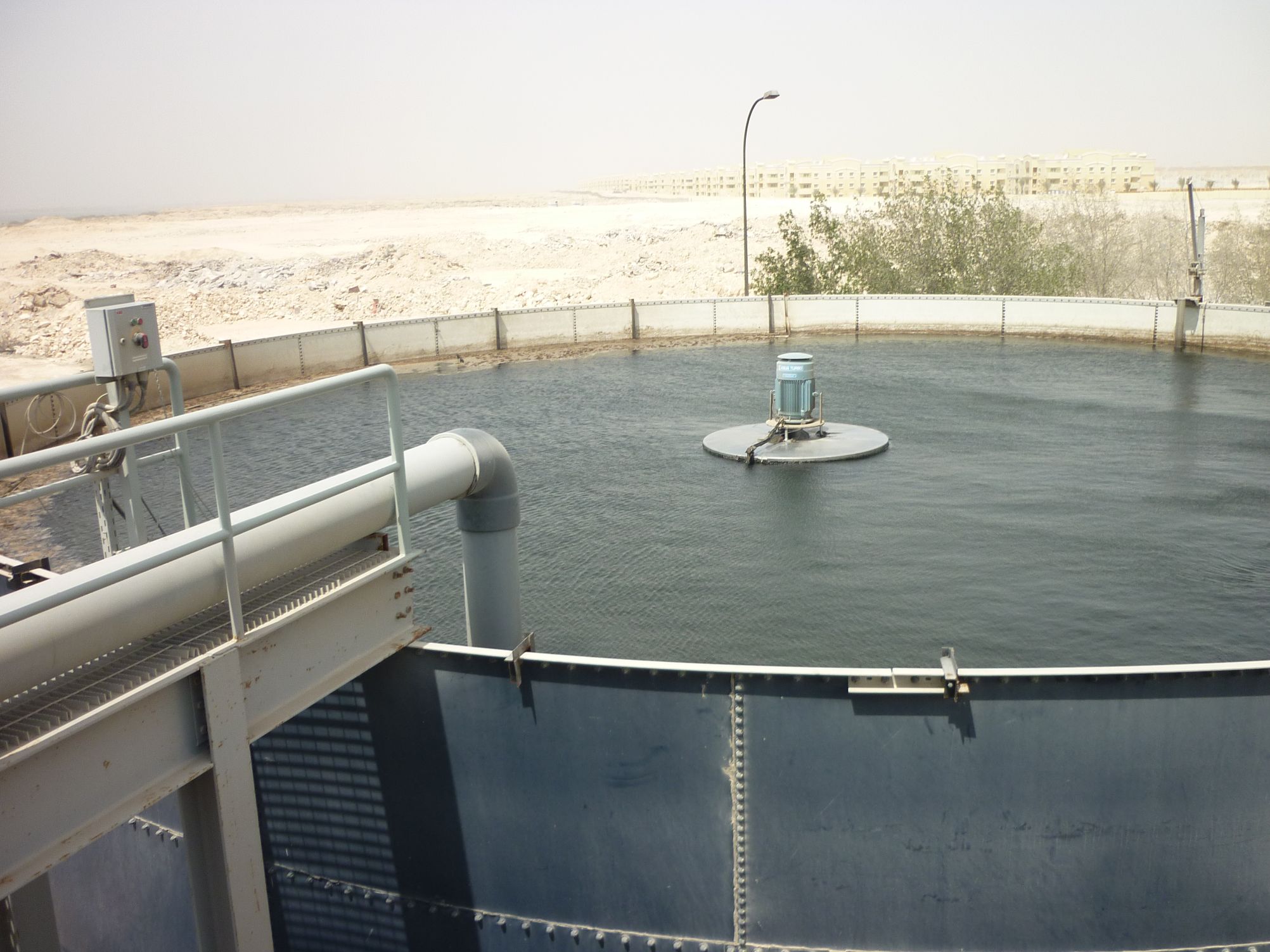
Water treatment companies in Qatar are responsible for converting raw groundwater or desalinated seawater into a potable supply. These companies manage intake, treatment, storage, and delivery, often on a daily cycle.
Common processes include:
Plants are usually monitored 24/7, with automated systems adjusting pH, flow, and residual chlorine based on demand.
The responsibility does not end at the treatment plant. Many water treatment companies also manage the connection to municipal or industrial distribution networks. This requires close coordination with utility authorities and compliance with Qatari and international water quality standards.
Growth in Doha, Lusail, and Al Wakrah has increased demand for reliable wastewater treatment services. These systems treat domestic sewage and industrial effluent to avoid contamination of groundwater and marine discharge areas.
Most treatment plants in Qatar use activated sludge systems, combined with tertiary filtration for final discharge or reuse. Some areas, particularly industrial zones, require additional treatment to manage chemical or high-strength waste.
Treated water is reused where possible. In some zones, it is used for landscaping, district cooling, or construction.
Wastewater treatment services must manage not just treatment but transport. This extends to gravity-fed sewer lines, lift stations, odor control systems, and manhole access planning.
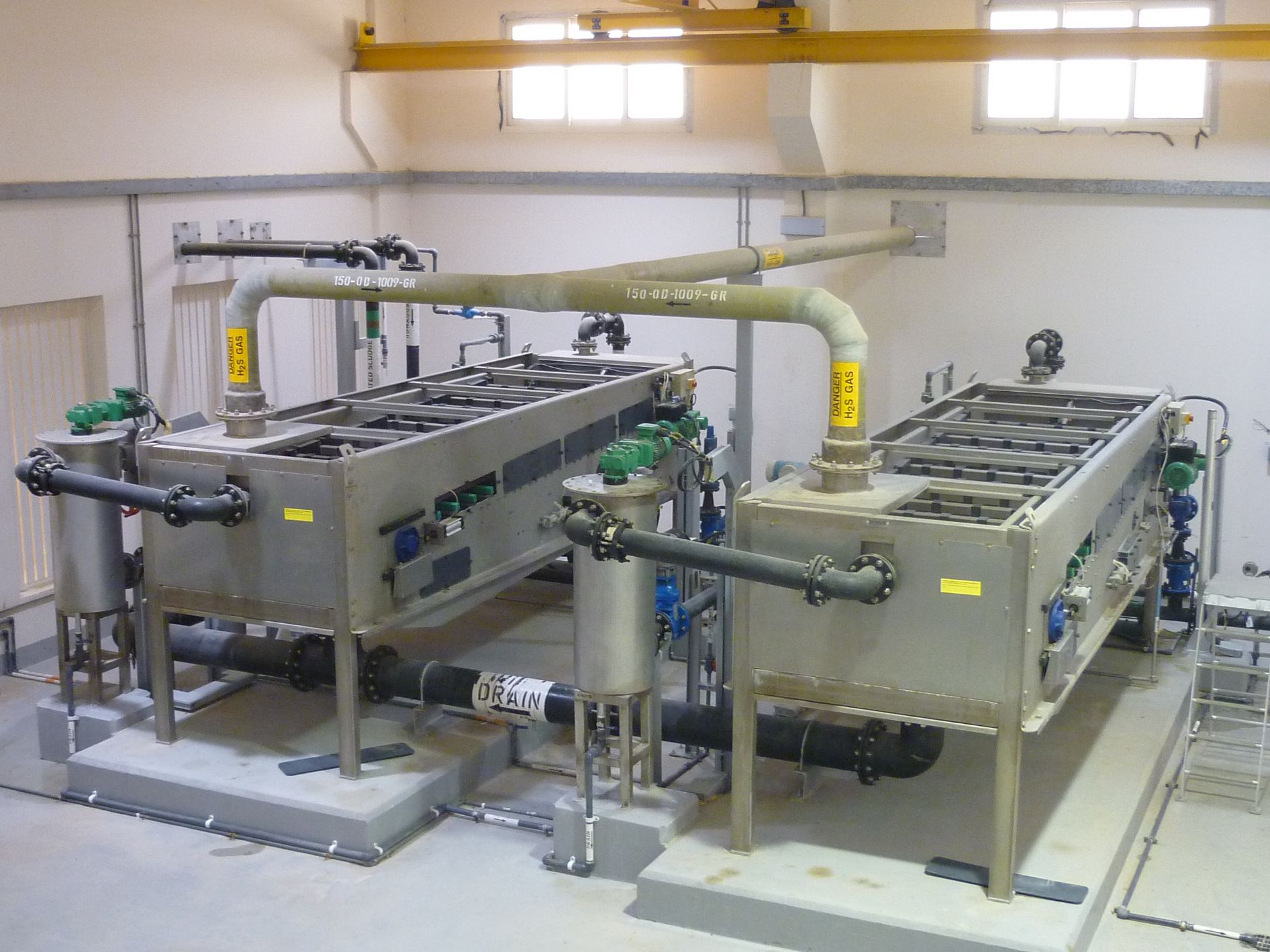
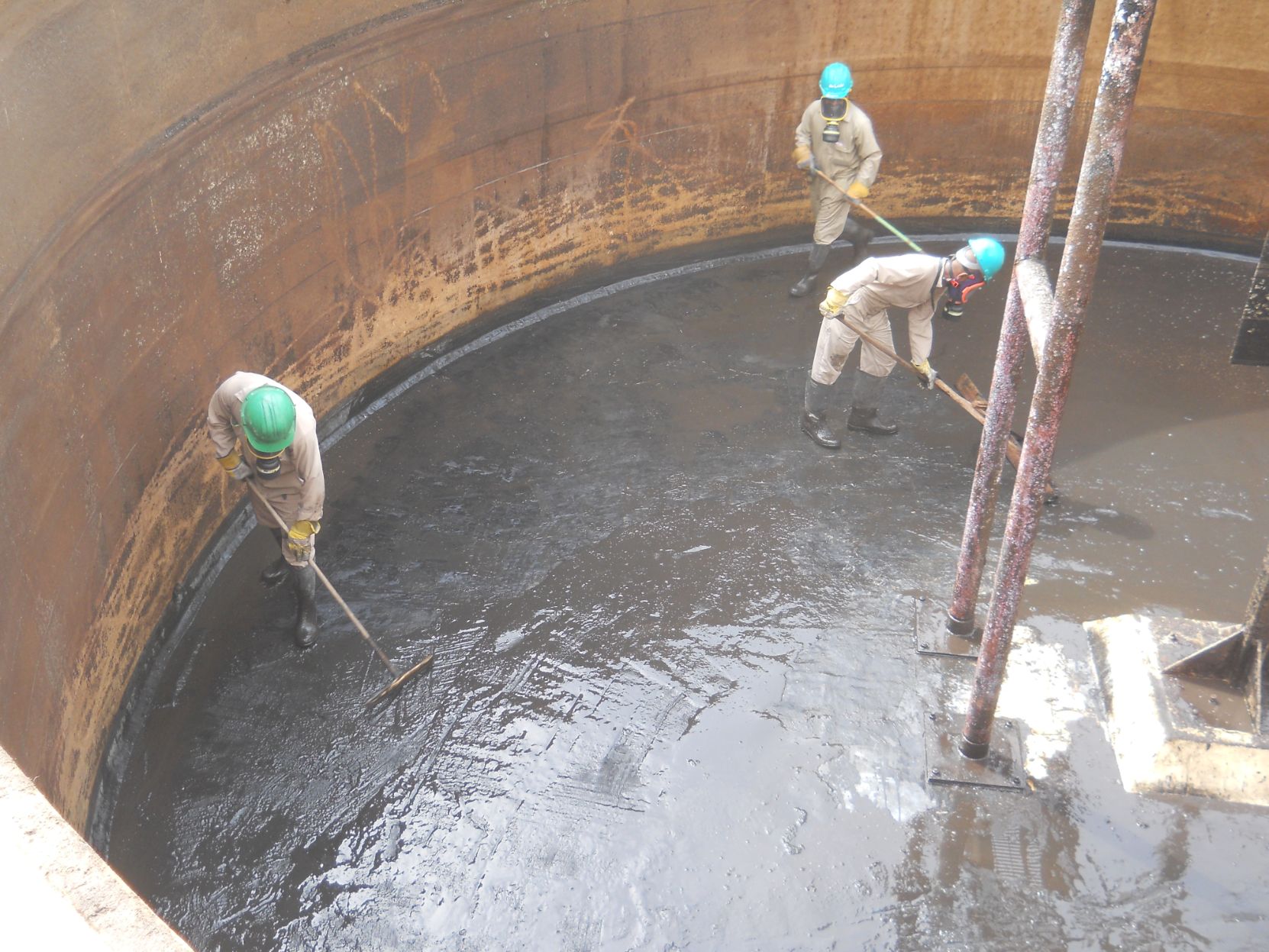
Daily operation and maintenance activities are what keep Qatar’s water infrastructure functional. These activities include the inspection of valves, pumps, and filters, as well as the cleaning of sedimentation tanks and the scheduled replacement of wearing components.
Reliable utility systems require consistent attention. Waagner Biro offers 24×7 operation and maintenance services across Qatar, covering:
These services are not reactive; they’re planned. We work with clients to assess risk, build lifecycle-based strategies, and implement real-time monitoring to reduce downtime and avoid major disruptions.
Our teams support both scheduled work and emergency deployments. When a pumping station fails or a tank needs immediate repair, our mobile crews respond with the tools, materials, and protocols already in place.
Planned maintenance can be controlled. Emergency failures cannot. That’s why operation and maintenance strategies must contain rapid-response protocols.
Events that can trigger emergency response include power failure at pumping stations, mechanical failure in treatment systems, or damage caused by unrelated construction works.
The response time and quality of emergency repair directly affect public trust in the utility system.
Smart systems are being used across water networks in Qatar. These tools help engineers and operators monitor pressure, flow, and system health in real time.
Examples:
Water treatment companies and facility managers use these systems to reduce downtime, detect inefficiencies, and extend equipment life.
Digital integration also helps planning teams assess capacity before approving new developments, helping avoid overloading aging systems.
Waagner Biro’s strength is our integrated approach. We are not only a contractor; we manage wastewater treatment services, water treatment plants, and utility infrastructure through full lifecycle engagement.
That means:
This model reduces handovers, improves accountability, and allows for clearer cost planning across years, not just months.
Population growth, urban expansion, and industrial development are placing more pressure on utility networks across Qatar. That pressure applies to potable water supply, drainage networks, and wastewater treatment services.
Older systems are being upgraded with digital tools. New systems are being designed with built-in resilience. All stakeholders are under pressure to keep systems operational while minimizing cost and environmental impact.
If you’re working in project delivery, urban planning, or utilities, understanding the role of operation and maintenance, long-term planning, and real-time coordination will be central to your success.
Infrastructure engineering, water treatment companies, wastewater treatment services, and operation and maintenance teams all play a connected role in shaping Qatar’s utilities sector.
Each system must be designed to perform under pressure, respond in emergencies, and adapt as cities grow. Whether you’re building a new system or upgrading an existing one, the foundations matter.
Talk to our team today to learn how Waagner Biro contributes to critical infrastructure projects across the Gulf.