
Structural steel companies in Dubai bring precision engineering, disciplined execution, and long-term performance focus to major infrastructure works. Waagner-Biro delivered on these priorities during the construction of the Al Awir Cycle Track and Pedestrian Bridge, turning design intent into reality while working within tight urban constraints and serving pedestrians, cyclists, and vehicles from day one.
Structural steel companies in Dubai bring precision engineering, disciplined execution, and long-term performance focus to major infrastructure works. During construction of the Al Awir Cycle Track and Pedestrian Bridge in Dubai, Waagner-Biro delivered on those priorities, turning design intent into reality while working within tight urban constraints.
From the earliest stages of planning through fabrication and site execution, our team focused on flow, safety, and durability. The bridge had to serve pedestrians, cyclists, and vehicles immediately upon opening and continue performing under constant use. That requirement guided every engineering decision on the project.
This article explains what the Al Awir bridge reveals about modern steel construction in Dubai, how design choices translate into on-site efficiency, and why partnering with experienced teams matters when infrastructure must meet strict timelines, rigorous standards, and real-world performance expectations.
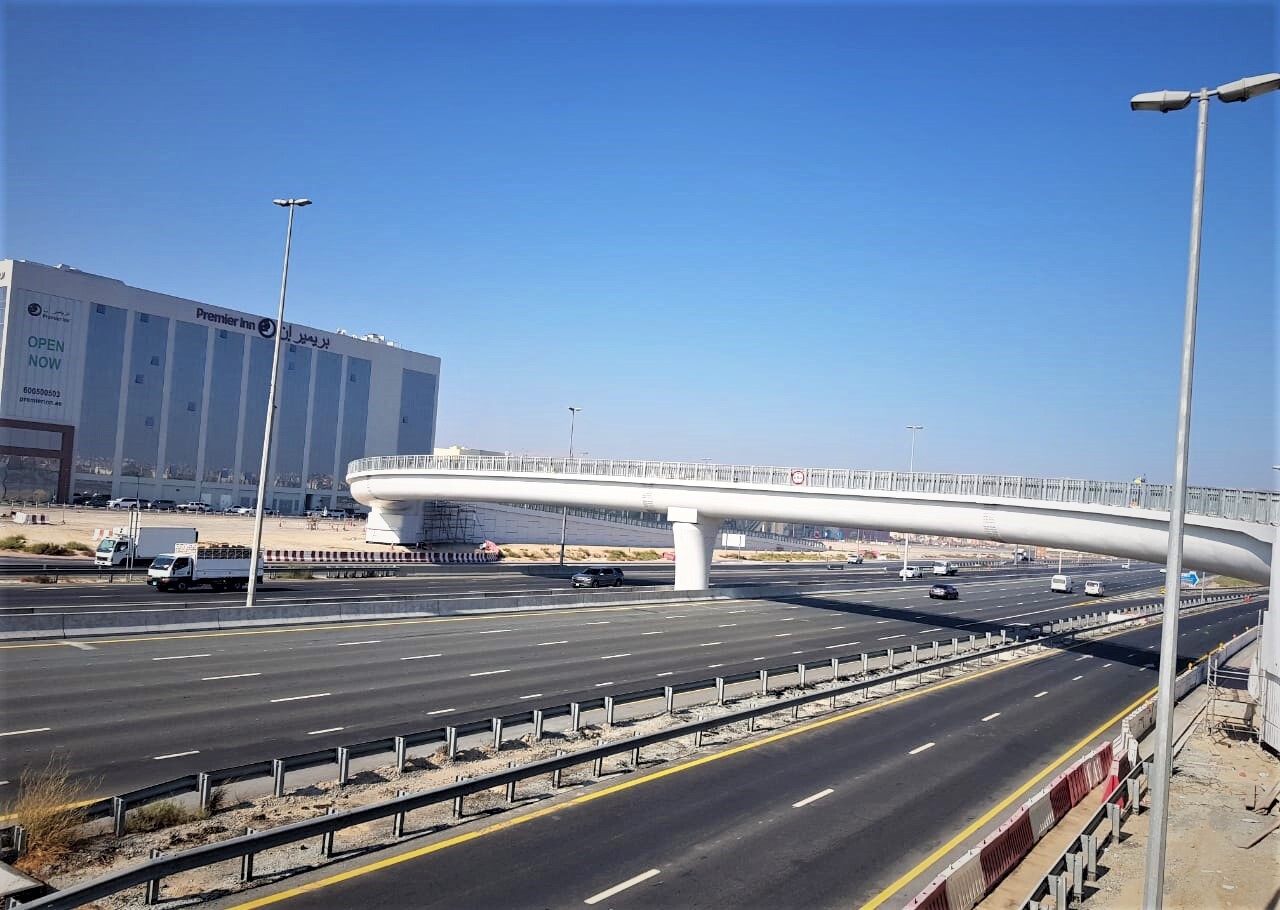
Dubai continues to expand its cycling network. The Al Awir route connects residential areas, training paths, and longer cycling corridors. The pedestrian bridge creates a safe link across a major road without interrupting traffic flow.
From an engineering perspective, the challenge sat in balance. The structure needed to span wide traffic lanes while remaining lightweight. It required clear sightlines, controlled deflection under load, and resistance to heat and wind. Steel offered the best solution for these demands.
At Waagner-Biro, we design with both function and long-term use in mind. This project demonstrates how steel bridges can support public mobility while aligning with broader city goals around connectivity and active transport.
Urban bridges demand precision. There is limited space for staging. Traffic closures carry real costs. Structural steel companies in Dubai that understand these challenges can deliver bridges that meet tight programmes without sacrificing quality.
Steel offered clear advantages for Al Awir:
For Waagner-Biro, these factors define how we approach fabrication and installation on every major steel structure. Speed, quality, and long-term performance are essential, not optional.
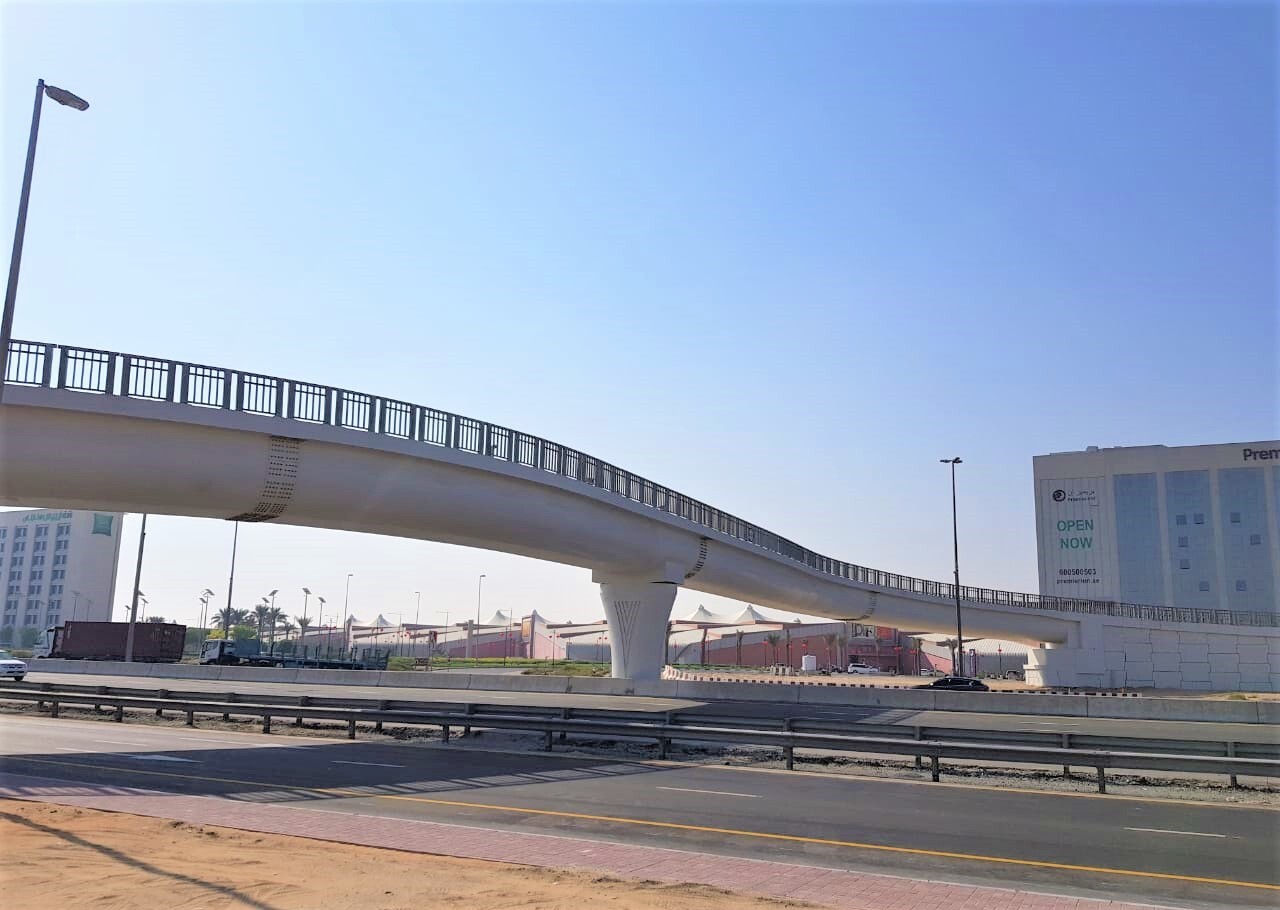
The Al Awir bridge follows a clean structural logic. Every element supports movement and safety.
The deck width accommodates cyclists and pedestrians without conflict. Grade changes remain smooth for long-distance riders. Guardrails and barriers meet safety codes while staying visually restrained.
Steel sections were selected to manage bending and torsion efficiently. Our teams avoided unnecessary complexity. This simplification reduced risk in fabrication and accelerated site assembly.
When infrastructure must serve thousands daily, engineering discipline becomes the deciding factor in performance.
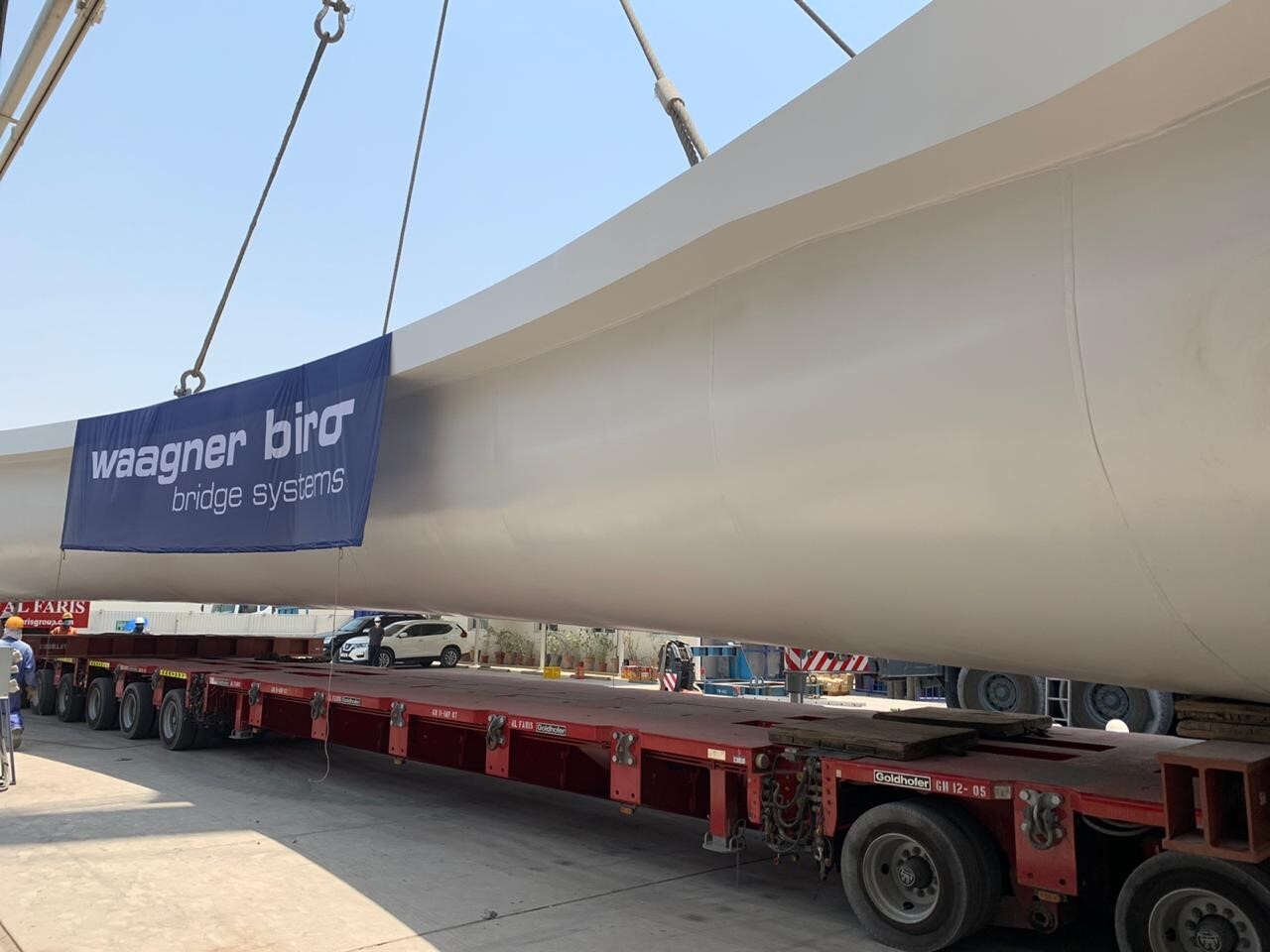
Fabrication happened under controlled factory conditions. This approach minimised site uncertainty and enhanced accuracy.
Each steel component passed dimensional checks before delivery. Welding followed approved procedures with traceable documentation. Surface preparation accounted for corrosion protection in Dubai’s heat and dust conditions.
For steel construction companies in Dubai, this level of discipline separates reliable delivery from costly rework. At Waagner-Biro, tight coordination between design and fabrication ensured that components arrived on site ready for quick assembly.
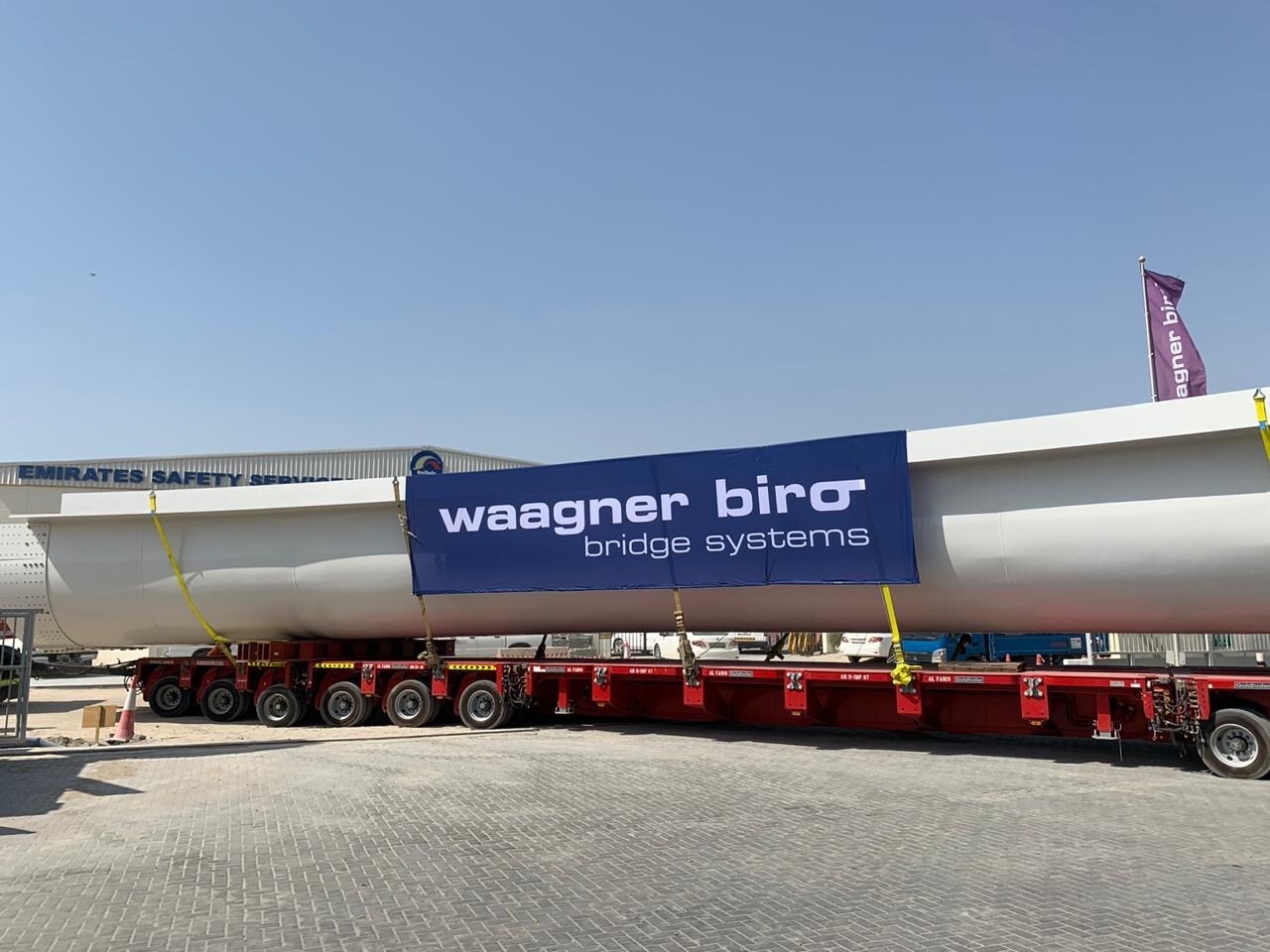
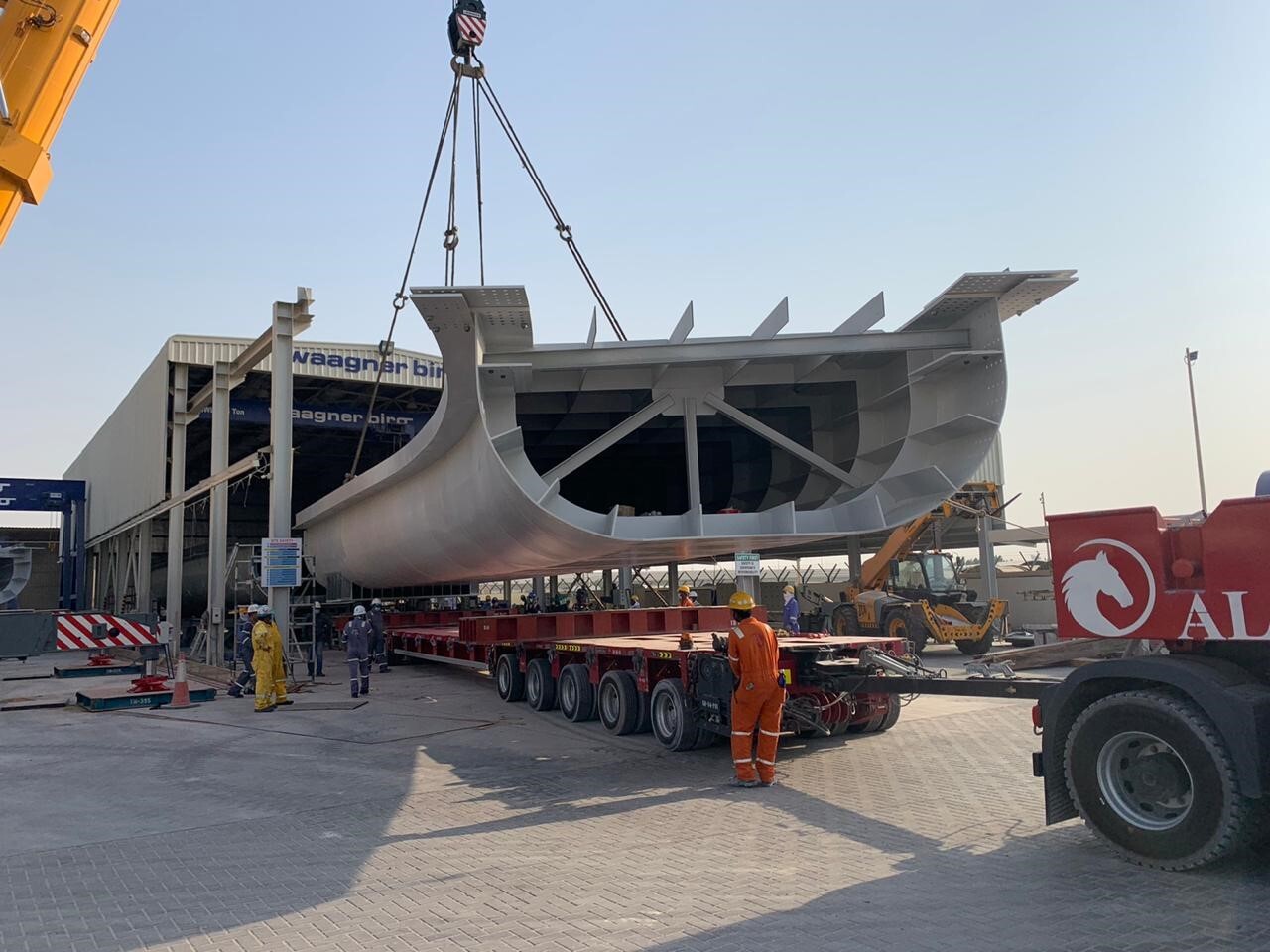
On-site, pre-fabricated sections were assembled in planned sequences. Traffic disruption stayed minimal.
The bridge crosses active roads. This reality shaped the construction programme.
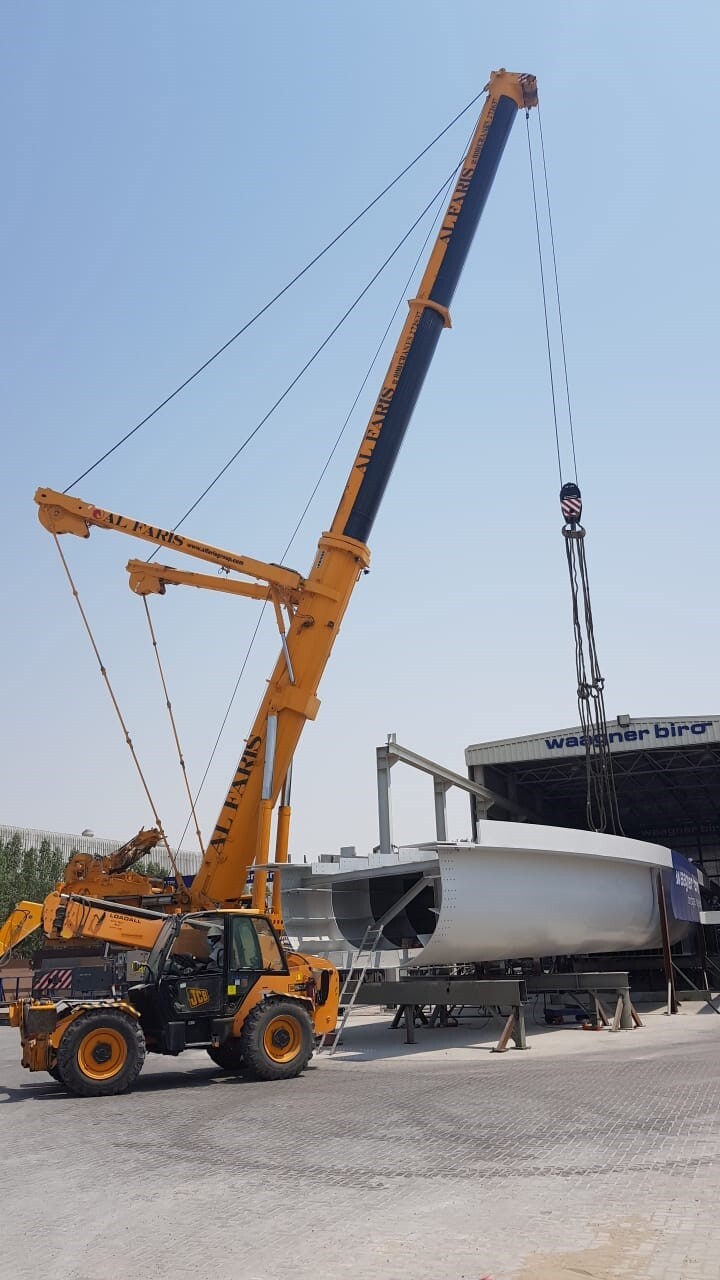
Installation teams worked within defined night windows. Lifts followed precise choreography. Temporary supports were kept minimal to avoid interfering with traffic.
Again, steel played a key role. Lighter components reduced crane size and setup time. Connections allowed rapid alignment and bolting. These details matter when working beside busy highways.
Experience counts in environments like this. Not every contractor can manage steel erection under such constraints, which is why expertise in live urban installation remains a core strength at Waagner-Biro.
The Al Awir project highlights several practical lessons for structural steel companies in Dubai operating in dense urban settings:
These lessons reflect how we plan and deliver every steel bridge assignment.
Our role on the Al Awir Cycle Track and Pedestrian Bridge sits in execution rather than statements. This project reflects capabilities often required on road and pedestrian bridge work across the UAE:
These engineering services draw on decades of delivery experience across transport infrastructure, road bridges, and civil assets in the region.
For public infrastructure, predictability matters. Roads, bridges, and pedestrian links cannot afford delays or performance issues. That focus on reliability is what we bring to every contract
Steel bridges demand less material volume than concrete alternatives. That efficiency offers both environmental and operational benefits.
Inspection remains straightforward. Engineers can access key joints and members without intrusive works. Repairs, when needed, stay localised.
For asset owners and authorities, this translates into lower lifecycle cost. For UAE steel construction companies, it reinforces steel as a practical choice for future transport networks.
Dubai sets benchmarks through execution. Once a project proves effective, future briefs reflect those expectations.
From our perspective, this translates into:
Steel contractors who adapt to these expectations stay relevant. Others fall behind.
If you are planning infrastructure works, the Al Awir bridge raises a clear question:
Do you want a contractor who can fabricate steel, or a partner who understands how steel behaves across design, installation, and decades of use?
Experience with road bridges, pedestrian crossings, and cycle infrastructure matters. So does the ability to coordinate with authorities and traffic planners.
At Waagner-Biro, we combine these capabilities to deliver performance that aligns with real urban demands.
The Al Awir Cycle Track and Pedestrian Bridge shows what disciplined steel engineering looks like in practice. It proves that infrastructure can support growth without disrupting daily life.
For steel construction companies in Dubai, the message stays clear. Precision, planning, and execution decide success. Steel remains central when handled with care and expertise.
If you are responsible for a project that must deliver quality, safety, and long-term performance on time, our bridge engineering teams can support your goals. Contact Waagner-Biro to discuss how we can bring the same focus and delivery to your next infrastructure challenge.